self sufficiency
-
Small Is a Choice

There’s a phrase I come back to again and again when talking about our flock: Small is a choice
-
Woolcraft and the Art of Slowing Down
August often feels like a pause between seasons. The abundance of summer is still with us, yet there are subtle hints that autumn is waiting just around the corner. It is a time when many of us begin to think about new projects, cosy evenings, and the satisfaction of creating something by hand. Wool craft…
-
endocrine-disrupting chemicals used in the production and finishing of textiles

The fashion industry, unfortunately, is rife with harmful and endocrine-disrupting chemicals used in the production and finishing of textiles. These chemicals are added to achieve various properties in fabrics—like stain resistance, wrinkle-free finishes, colour vibrancy, or durability—but they can carry serious health and environmental risks. 1. Per- and Polyfluoroalkyl Substances (PFAS) 2. Formaldehyde 3. Phthalates…
-
A Dyer’s Journal
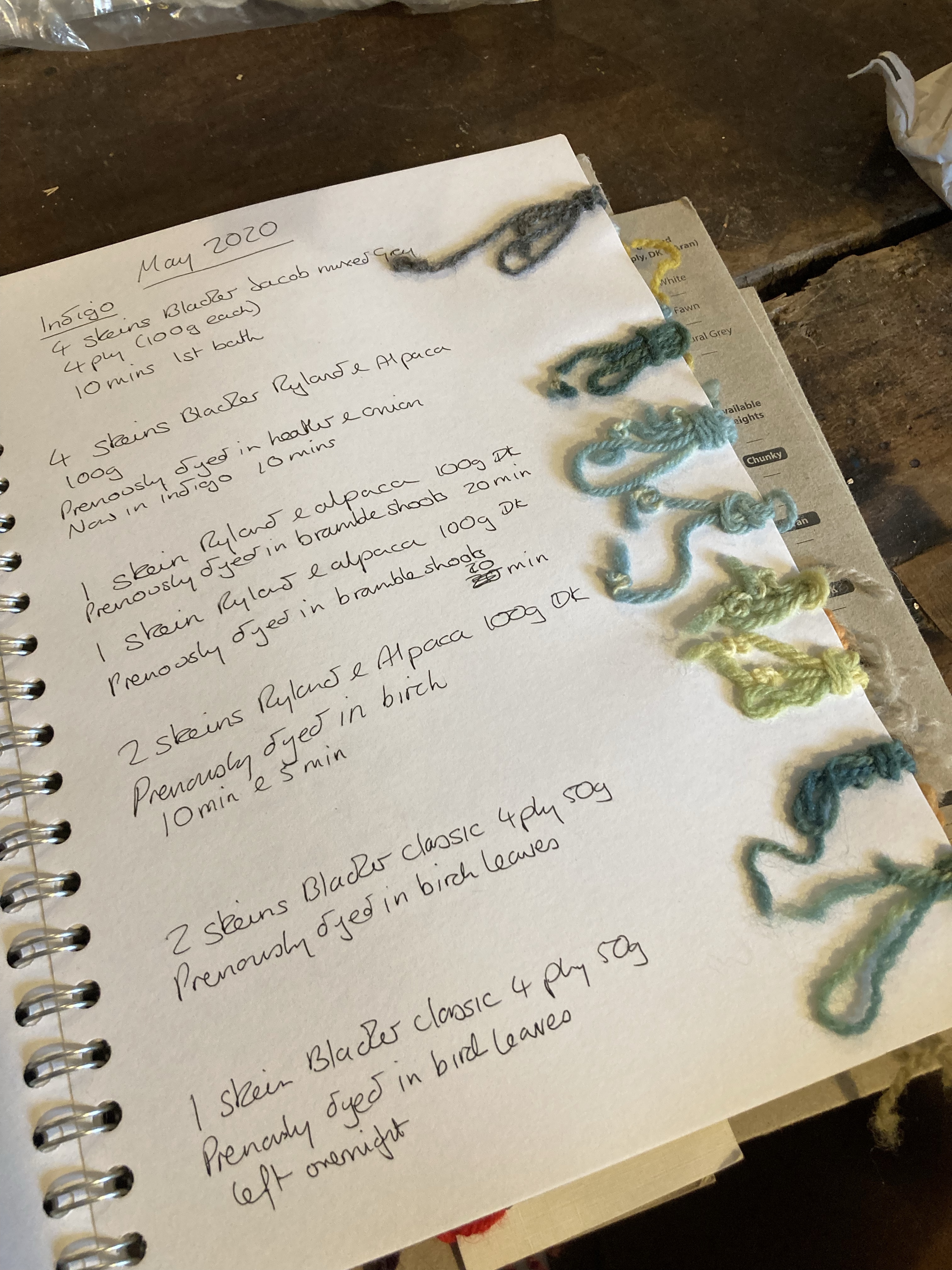
I am finding that it is increasingly important that I write down the processes!! Particularly if I want to be able to have a shot at repeating a colourway!! A long while ago I was fortunate enough to visit a lovely friend at her beautiful home and have a go at playing with some natural…
-
Using Plants as Natural Dyes: A Colourful Journey Through Nature
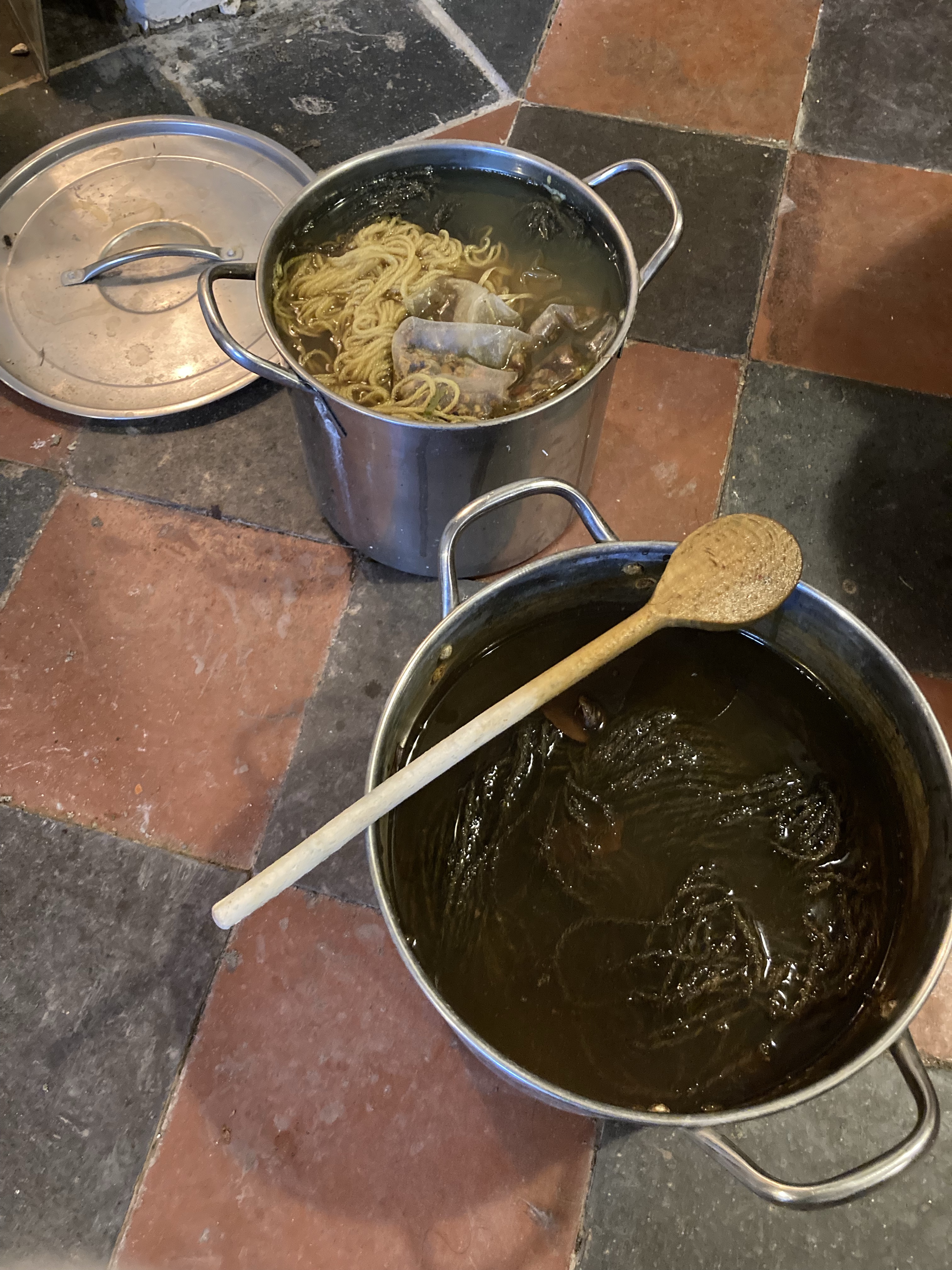
In a world increasingly concerned with sustainability and eco-friendliness, many people are turning to natural alternatives for everything from food to fashion. One such trend gaining momentum is the use of plants as natural dyes and it is one I am thoroughly enjoying diving down the rabbit hole with. The vibrant colours that can be…
-
Is OEKO-TEX Certification Enough? Understanding Its Limits and Benefits

As consumers become more mindful of sustainability and safety in textiles, many rely on certifications like OEKO-TEX to help guide purchasing decisions. But what does OEKO-TEX actually guarantee, and is it truly enough for those of us who want to prioritize both environmental impact and personal health? What is OEKO-TEX? OEKO-TEX certification primarily ensures that…
-
The Role of Local Fibres in Reducing Carbon Footprints
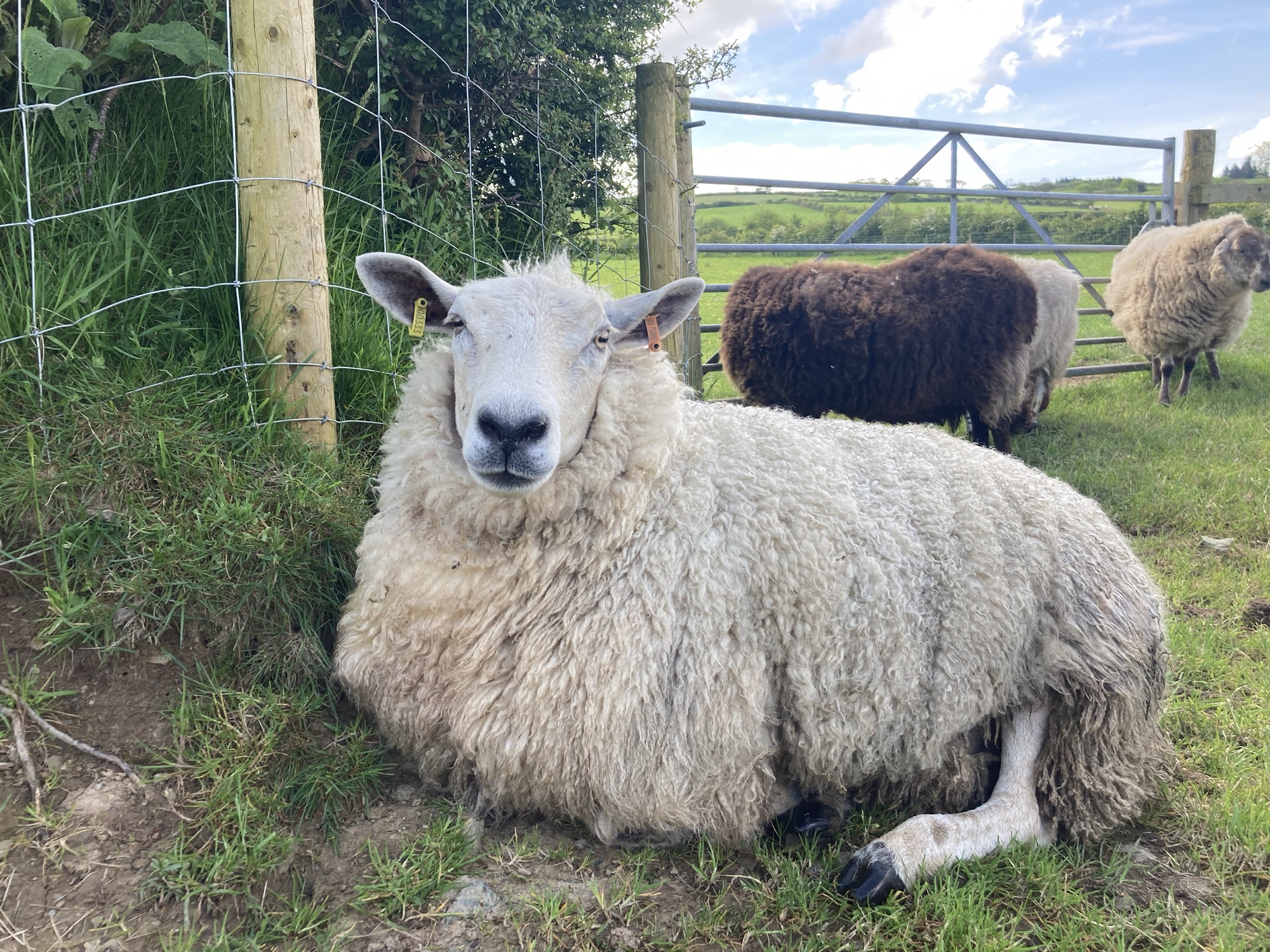
When it comes to sustainable crafting and fashion, the origin of your fibre matters—sometimes more than how it’s processed or dyed. Choosing locally sourced fibres, like Welsh or British wool, can have a significant impact on reducing your environmental footprint while supporting regional ecosystems and communities. Why Local Matters The majority of textiles in the…
-
Sheep to Shawl

How Ethical Wool Supports Local Ecosystems In a world where fast fashion dominates, it’s easy to forget that every yarn and fibre has a story. Wool, in particular, is more than just a material—it’s a living, breathing connection between animals, land, and people. By choosing ethically produced wool from smallholders, we can support local ecosystems,…
-
Knitting Is Art

Knitting is Art!!!! Were you ever told you weren’t good enough at art as a child? I was….
-
From Craft Table to Sheepfold: The Evolution of My Yarn Business
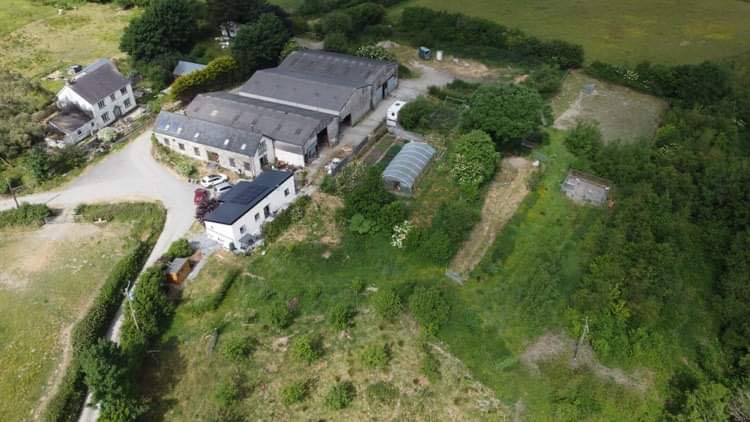
What began in 2007 as a creative outlet for my out-of-control making habits—selling handmades under the name Elliefants Delights at markets in Abergavenny, Cardiff, and Newport—has grown into a full-time, slow-living, wool-growing life. From writing my first knitting patterns in 2009 to dyeing yarn over a wood fire, buying a Welsh hill farm in 2014,…