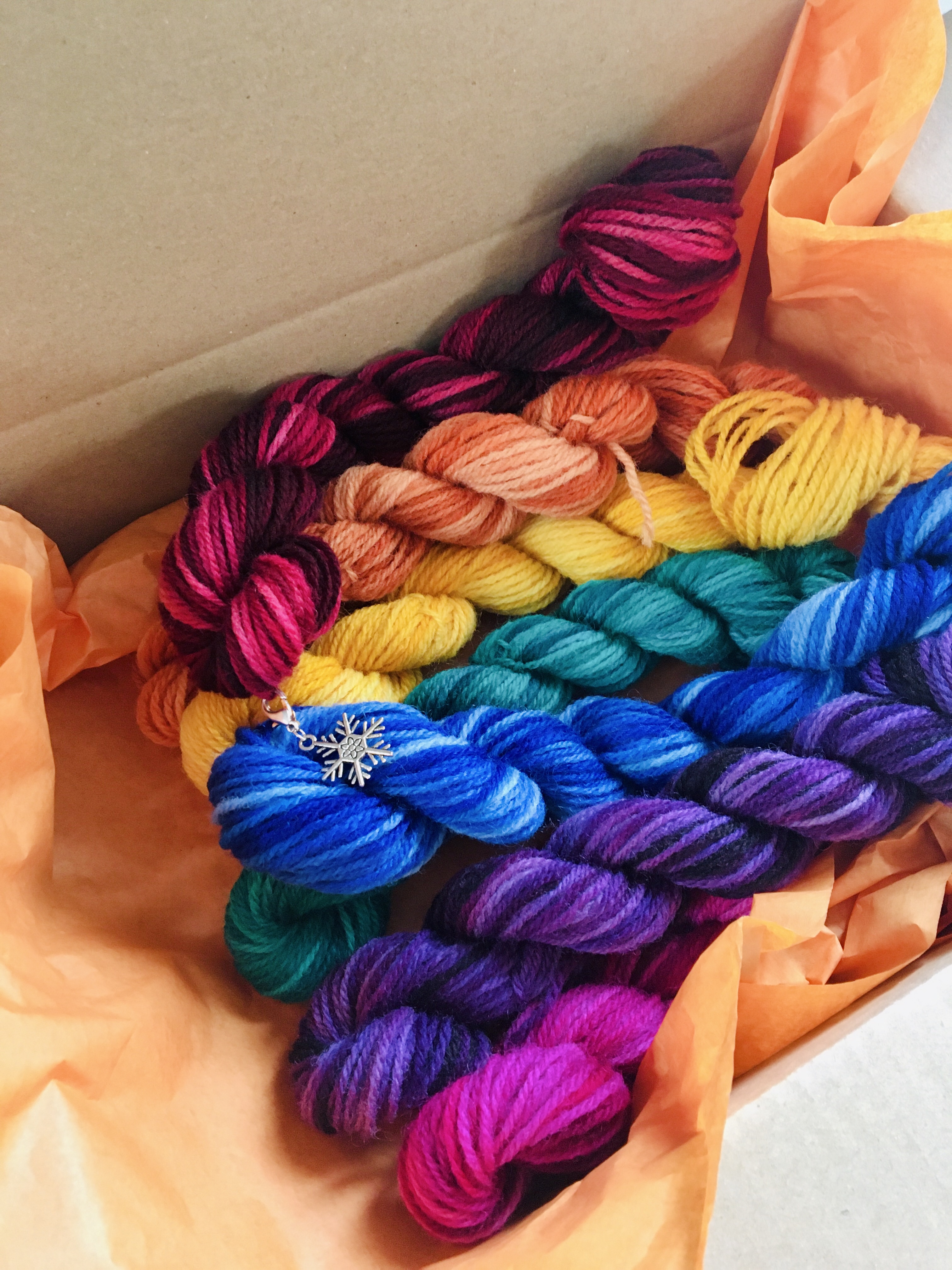


The fashion industry, unfortunately, is rife with harmful and endocrine-disrupting chemicals used in the production and finishing of textiles. These chemicals are added to achieve various properties in fabrics—like stain resistance, wrinkle-free finishes, colour vibrancy, or durability—but they can carry serious health and environmental risks.
1. Per- and Polyfluoroalkyl Substances (PFAS)
- PFAS, often known as “forever chemicals” because they persist in the environment, are widely used in textiles to create water- and stain-resistant fabrics. These chemicals do not break down over time and can accumulate in the body and environment. Studies have linked PFAS exposure to endocrine disruption, immune system damage, and an increased risk of certain cancers.
2. Formaldehyde
- Formaldehyde is commonly used to create wrinkle-resistant finishes in fabrics. Although it makes clothing look pristine, formaldehyde can off-gas and be absorbed through the skin, leading to irritation and even respiratory issues. As a recognized carcinogen, formaldehyde also has links to endocrine disruption, potentially affecting hormonal balance with long-term exposure.
3. Phthalates
- Phthalates are added to plasticize materials, especially in items like faux leather, certain dyes, and prints. They’re known endocrine disruptors, mimicking or blocking hormones and interfering with reproductive and developmental health. Exposure can lead to reduced fertility, hormonal imbalances, and developmental issues in children.
4. Nonylphenol Ethoxylates (NPEs)
- NPEs are used as surfactants in textile processing and can be found in many synthetic textiles. Once released, they degrade into nonylphenols, which are bio accumulative and toxic. Known to disrupt the endocrine system, these chemicals can impact reproductive health and the development of aquatic life, leading to significant environmental concerns as well.
5. Azo Dyes
- Azo dyes are widely used in the textile industry for vibrant colours. However, many of these dyes break down into aromatic amines, which are linked to cancer and have been banned in the EU for this reason. Certain azo dyes can also interfere with hormones, contributing to reproductive toxicity and developmental issues.
6. Organophosphates
- Often applied as flame retardants, organophosphates are another group of endocrine disruptors. Exposure to these chemicals is linked to neurodevelopmental issues and thyroid disruption. Although primarily used in children’s pyjamas and home textiles, organophosphates can also be found in synthetic fabrics within the fashion industry.
Implications and the Need for Action
These chemicals, found in various fast-fashion items and even high-end textiles, contribute to an unsustainable and toxic fashion cycle. From a consumer perspective, these endocrine disruptors and other toxic chemicals pose health risks, especially with prolonged or direct skin exposure. From an environmental standpoint, textile chemicals often enter waterways during production, washing, or disposal, accumulating in ecosystems and affecting wildlife.
What Can Be Done?
- Choosing Natural and Certified Organic Fibres: Natural fibres without heavy chemical treatment—like wool, organic cotton, and linen—are safer choices. Certifications like OEKO-TEX and GOTS (Global Organic Textile Standard) help ensure lower chemical use and safer production methods.
- Advocating for Transparency and Regulation: As consumers, pushing for stricter chemical regulations in textiles is crucial. Some countries already have restrictions in place for hazardous chemicals in textiles, but global regulation remains inconsistent.
- Supporting Ethical and Local Brands: Brands focused on sustainable production practices are generally more cautious about chemical use and often disclose their practices.
The power to reduce exposure to these harmful chemicals lies in consumer choice and advocacy, along with an industry shift towards transparency and stricter regulations.

For those interested in diving deeper into the impact of harmful chemicals in the fashion industry and learning more about sustainable and safe alternatives, here’s a curated reading list some I have read and some more I have on my to read list:
1. “Slow Fashion: Aesthetics Meets Ethics” by Safia Minney
- Safia Minney, founder of the sustainable brand People Tree, explores the principles and practices of slow fashion. This book highlights ethical and sustainable practices and offers insights into the hidden impacts of fast fashion, including chemical usage and its effects on both people and the environment.
2. “Fashionopolis: The Price of Fast Fashion and the Future of Clothes” by Dana Thomas
- Dana Thomas takes readers on a journey through the fast fashion industry’s history, unveiling its environmental and human costs. She discusses the harmful chemicals used in mass-produced fashion and highlights innovators who are pushing for cleaner and safer production processes.
3. “To Die For: Is Fashion Wearing Out the World?” by Lucy Siegle
- In this influential book, Siegle explores the environmental and ethical issues in the fashion industry. She covers toxic chemicals used in textile manufacturing and advocates for more sustainable choices. This book offers a thorough analysis of the true cost of cheap fashion and alternatives that can benefit both people and the planet.
4. “Stitched Up: The Anti-Capitalist Book of Fashion” by Tansy E. Hoskins
- Tansy Hoskins provides a critical examination of the capitalist fashion system, touching on issues like exploitation, pollution, and chemical usage. Hoskins argues for a complete overhaul of the industry and introduces readers to sustainable, ethical approaches to fashion that avoid harmful chemicals.
5. “Fibershed: Growing a Movement of Farmers, Fashion Activists, and Makers for a New Textile Economy” by Rebecca Burgess
- Rebecca Burgess advocates for a decentralized, regenerative textile economy through her organization, Fibershed. This book discusses how local, natural fibre production can reduce reliance on toxic chemicals in textiles and explores ways to create a sustainable textile system.
6. “The Conscious Closet: The Revolutionary Guide to Looking Good While Doing Good” by Elizabeth L. Cline
- Cline’s book is a practical guide to creating a more ethical wardrobe. She discusses the hidden toxins in our clothes and offers tips on how to avoid harmful chemicals while still finding clothes that suit your style and budget.
7. “Overdressed: The Shockingly High Cost of Cheap Fashion” by Elizabeth L. Cline
- In this eye-opening book, Cline reveals the social and environmental consequences of fast fashion, including toxic chemical use. She explores the impact on human health and the environment, emphasizing the importance of making conscious fashion choices.
8. “Clean: The New Science of Skin” by James Hamblin
- Although not exclusively about fashion, this book delves into the science of skin and the potential risks posed by various chemicals, including those found in clothing. Hamblin explores how skin absorbs chemicals and provides insights into safe and sustainable lifestyle choices, including fashion.
9. “The Detox Handbook: How to Protect Yourself from the Chemicals That Are Destroying Your Health” by Pat Thomas
- This guide by Pat Thomas gives readers practical advice on reducing exposure to harmful chemicals in daily life, including those in textiles. It’s an excellent resource for those looking to learn more about detoxifying their wardrobe and home.
10. “Killer Clothes” by Anna Maria Clement and Brian Clement
- This book offers a critical look at the chemicals commonly found in everyday clothing, from formaldehyde to heavy metals. The authors provide insights into the health risks posed by these substances and suggest safer alternatives for conscious consumers.
These books provide valuable insights into the health risks and environmental impacts of chemicals in the fashion industry and guide readers on how to make safer, more sustainable choices.
Leave a Reply