

Our Aberfield Gilly! Hiding here behind Sybil!
Aberfield sheep, a relatively new breed in the world of sheep farming, have quickly gained a reputation for their excellent qualities, both in terms of meat production and wool. Developed through selective breeding, the Aberfield is a cross between Bluefaced Leicester and Texel sheep, combining the best traits of both breeds.
Origins and Characteristics
Aberfield sheep were created to address the needs of modern sheep farming, where the focus is on producing lambs with superior growth rates, meat quality, and maternal traits. The Bluefaced Leicester contributes to the breed’s high fertility and exceptional mothering abilities, while the Texel adds robust physicality, good conformation, and high-quality meat.
Physically, Aberfield sheep are medium to large-sized with a sturdy build. They possess a white face and legs, with a dense fleece covering their bodies. Their hardiness and adaptability make them suitable for a variety of climates and terrains, an essential trait for farmers across different regions.
Wool Quality
While the primary focus of Aberfield sheep farming is often meat production, their wool also deserves attention. The fleece of Aberfield sheep is typically dense and of medium length, offering good crimp and a soft handle. It combines the qualities of both parent breeds, producing a versatile and high-quality wool that is suitable for various textile applications.
Characteristics of Aberfield Wool:
- Texture and Handle: Aberfield wool is known for its softness and fine texture, making it comfortable against the skin. This quality makes it an excellent choice for garments worn close to the body, such as sweaters and scarves.
- Crimp and Elasticity: The wool has a good crimp, which refers to the natural wave of the fibre. This attribute provides elasticity and resilience, allowing the wool to return to its original shape after stretching. These properties are beneficial for knitted items, ensuring durability and a comfortable fit.
- Insulating Properties: Like most wool, Aberfield wool offers excellent insulation. It can trap air, providing warmth in colder weather while remaining breathable. This makes it ideal for winter clothing and accessories.
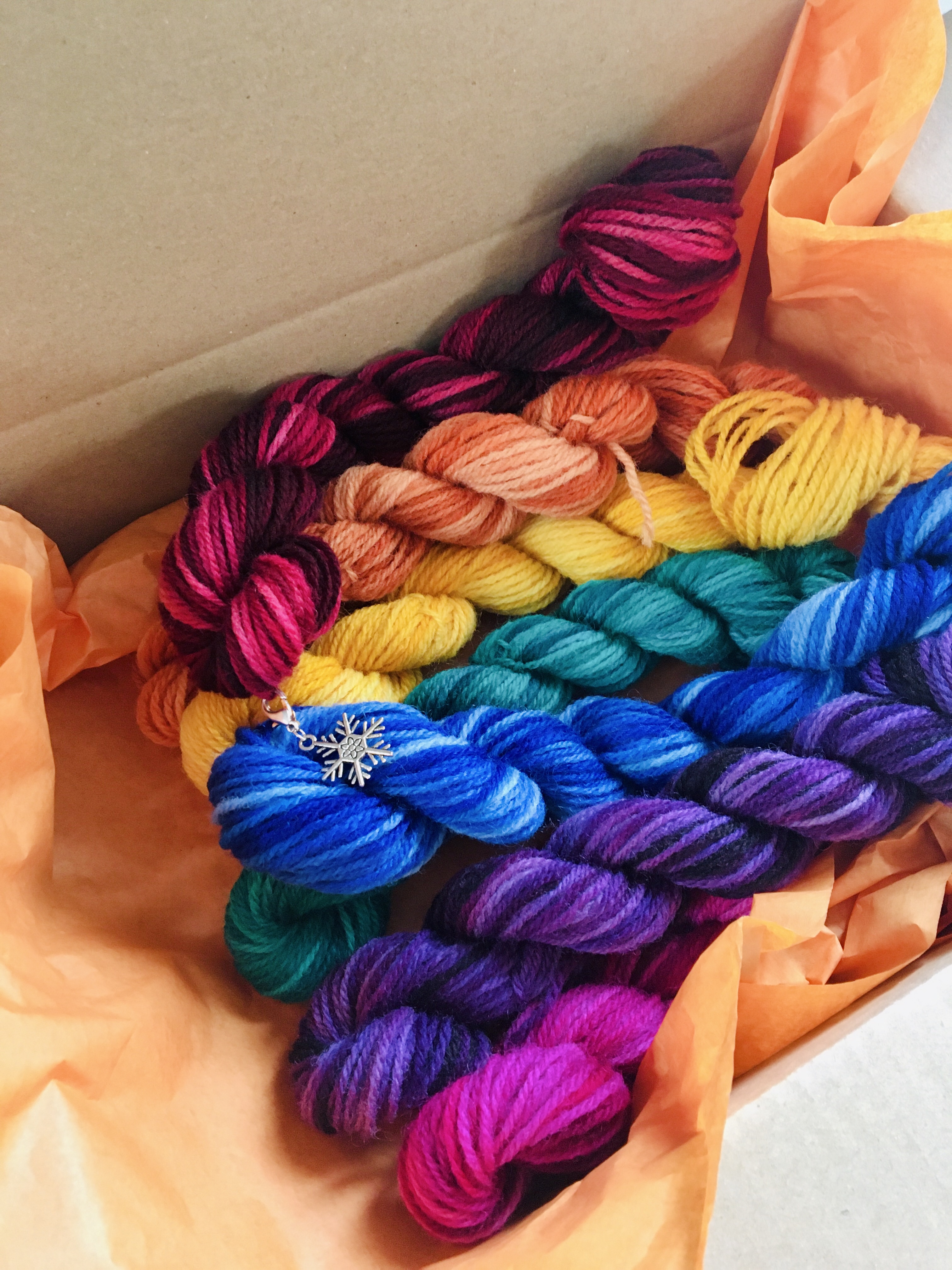
- Dye Absorption: Aberfield wool has good dye absorption properties, meaning it can be dyed in various vibrant colours without losing its natural sheen. This makes it a favourite among hand spinners and textile artists who enjoy experimenting with colours and patterns.
Uses of Aberfield Wool
The versatility of Aberfield wool makes it suitable for a wide range of applications:
- Clothing: The softness and insulating properties of Aberfield wool make it perfect for creating comfortable and warm garments like sweaters, hats, and gloves.
- Home Textiles: It is also used in home textiles such as blankets, cushions, and rugs, providing both warmth and aesthetic appeal.
- Crafts and Hobbies: For those involved in spinning and knitting as a hobby, Aberfield wool offers a satisfying and rewarding experience due to its quality and ease of use.
Sustainability and Ethical Considerations
Raising Aberfield sheep is not only beneficial for farmers but also aligns with sustainable and ethical farming practices. Sheep wool is a renewable resource, as shearing is a necessary part of sheep care that promotes their health and comfort. Additionally, wool is biodegradable, reducing the environmental impact compared to synthetic fibres.
Farmers who prioritize ethical practices ensure that their sheep are raised in humane conditions, with proper care and nutrition. This results in healthier sheep and higher quality wool, fostering a sustainable cycle of production and consumption.
Conclusion
Aberfield sheep, with their blend of desirable traits from Bluefaced Leicester and Texel breeds, offer significant benefits to the agricultural sector. Their wool, while often secondary to meat production, stands out for its quality and versatility. For farmers, textile enthusiasts, and consumers alike, Aberfield wool provides a sustainable, ethical, and high-quality option in the world of natural fibres. As interest in sustainable fashion and ethical farming continues to grow, the Aberfield breed is likely to gain even more recognition and appreciation.
Leave a Reply