

Introduction
Warburton is our Glamorgan! She is NOT named after the bread! She is named for the rugby player and this is very apt!!! If she does not want her hooves trimmed she WILL take you out!!!
In the verdant landscapes of Wales, a unique breed of sheep quietly thrives, contributing to the rich tapestry of British agriculture. The Glamorgan sheep, with its distinctive qualities and exceptional wool, is a treasure worth exploring. This blog post delves into the fascinating history, characteristics, and the unparalleled quality of wool that these sheep produce.
History of Glamorgan Sheep
The Glamorgan sheep, named after the historic county of Glamorgan in South Wales, is a breed with deep roots in the region. Historically, these sheep were integral to Welsh farming, valued for their adaptability to the rugged Welsh terrain and their hardy nature. Over the centuries, selective breeding has refined their characteristics, making them well-suited to the local environment and highly productive in terms of wool and meat.
Characteristics of Glamorgan Sheep
Glamorgan sheep are medium-sized with a robust build, reflecting their ability to thrive in diverse and sometimes challenging conditions. They have a white face and legs, with the body covered in dense, high-quality fleece. Their distinctive physical traits include:
- Hardiness: Glamorgan sheep are known for their resilience, capable of withstanding harsh weather conditions, making them ideal for the Welsh climate.
- Adaptability: They are well-suited to various terrains, from lush pastures to rocky hillsides, showcasing their versatility.
- Maternal Instincts: Ewes are excellent mothers, ensuring high lamb survival rates, which is crucial for sustainable farming.
The Excellence of Glamorgan Wool
The wool of Glamorgan sheep is a standout feature, renowned for its quality and versatility. Here are some of the key attributes that make it highly sought after:
Softness and Texture
Glamorgan wool is prized for its softness, making it comfortable for direct skin contact. The fine texture of the wool ensures that garments made from it are luxurious and gentle to wear.
Warmth and Insulation
One of the remarkable properties of Glamorgan wool is its excellent insulation. The dense and crimped fibres trap air, providing superb warmth without being overly heavy. This makes it an ideal material for winter clothing and blankets.
Durability and Strength
Despite its softness, Glamorgan wool is incredibly durable. The natural strength of the fibres ensures that items made from this wool are long-lasting, retaining their shape and quality over time.
Versatility in Use
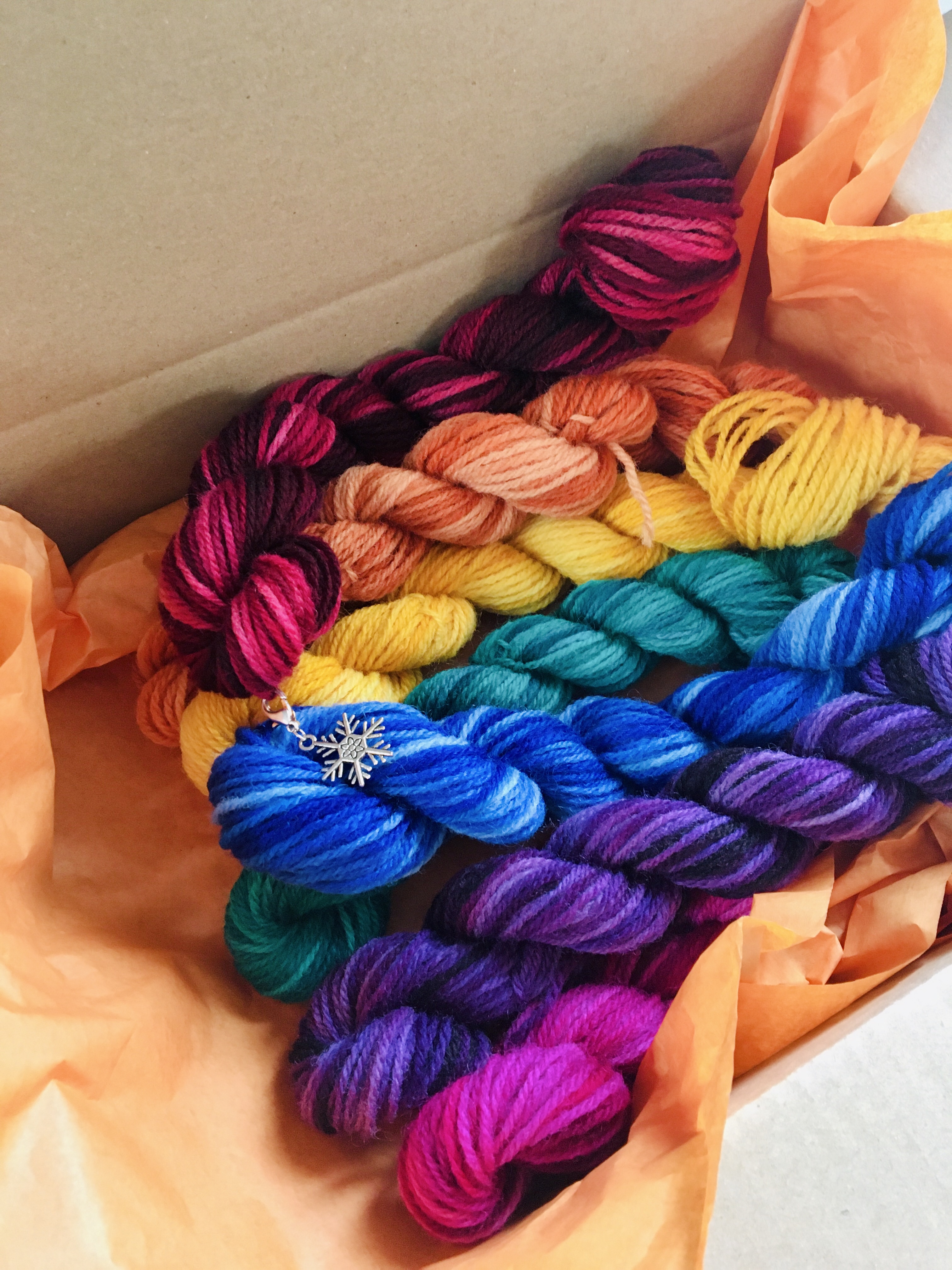
Glamorgan wool’s adaptability makes it suitable for a wide range of products. From cosy sweaters and scarves to high-quality yarn for knitting and weaving, its applications are vast. Additionally, it is highly favoured in the crafting community for felting projects due to its excellent felting properties.
Sustainable and Ethical Farming
Raising Glamorgan sheep is not only about producing high-quality wool but also about maintaining sustainable and ethical farming practices. Farmers in Wales are dedicated to ensuring the welfare of their flocks, promoting biodiversity, and protecting the natural environment. This commitment to sustainability is reflected in the superior quality of the wool and the health of the sheep.
Conclusion
Glamorgan sheep and their exceptional wool are a testament to the rich agricultural heritage of Wales. The breed’s unique characteristics, combined with the high-quality wool they produce, make them a valuable asset to farmers and artisans alike. Whether you’re a wool enthusiast, a sustainable fashion advocate, or simply curious about unique sheep breeds, the Glamorgan sheep offers a fascinating glimpse into the world of exceptional wool production.
Embracing products made from Glamorgan wool not only supports local farmers but also contributes to a tradition of quality and sustainability that has been nurtured for generations.
Leave a Reply