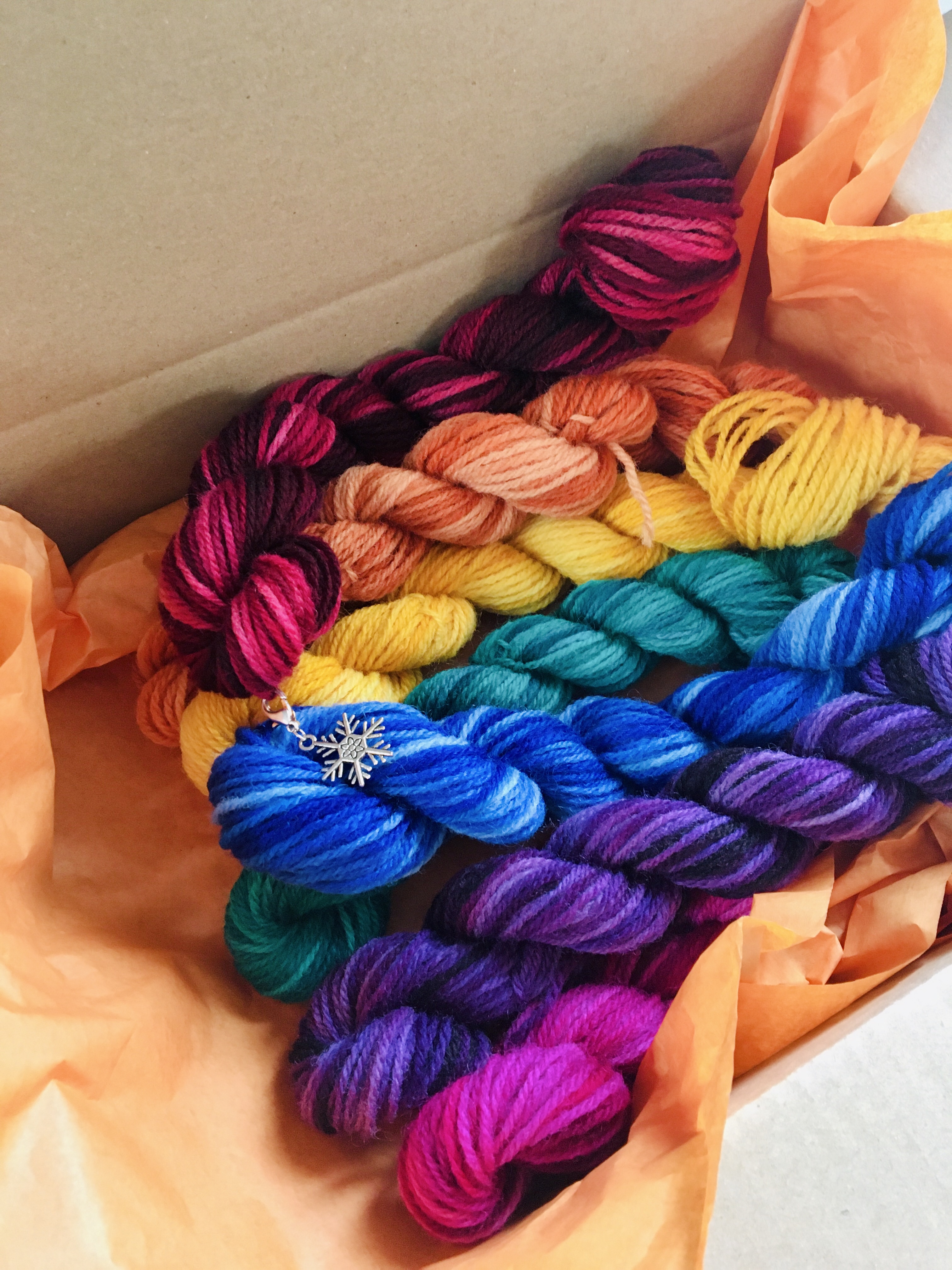


What You Need to Know
Choosing the right fibres for your knitting, sewing, or crafting projects isn’t just about aesthetics or feel—it can have a real impact on the planet. From water usage to carbon emissions, the fibres we select play a huge role in sustainability.
This guide will help you understand which fibres are eco-friendly, how to identify them, and why they matter.

What Makes a Fibre Sustainable?
A sustainable fibre is one that is produced in a way that reduces harm to the environment, supports ethical labour, and ideally, can be recycled or biodegraded at the end of its life. Key factors include:
- Source of the fibre: Natural fibres like wool, cotton, and hemp are renewable if responsibly produced.
- Chemical use: Sustainable fibres minimize or eliminate harmful chemicals in growing, dyeing, and finishing.
- Water and energy use: Lower resource consumption during production is crucial.
- Transport impact: Locally sourced fibres have a much smaller carbon footprint.
Natural Fibres: Eco-Friendly Options
- Wool
- Renewable and biodegradable.
- Grown from sheep raised ethically and often locally.
- OEKO-TEX or GOTS certified wool ensures low chemical use.
- Cotton
- Conventional cotton is water- and pesticide-intensive.
- Organic cotton is grown without harmful chemicals and uses less water.
- Linen and Flax
- Strong, long-lasting, and requires minimal water.
- Completely biodegradable.
- Hemp
- Extremely low-impact crop; no pesticides required.
- Naturally pest-resistant and fast-growing.
- Silk
- Traditional silk can be resource-intensive and involves killing silkworms.
- Look for peace silk or Ahimsa silk, which allows worms to emerge naturally.
Recycled and Regenerated Fibres
- Recycled Cotton and Wool
- Uses post-consumer or post-industrial waste to create new yarn.
- Reduces landfill and lessens the need for fresh water and energy.
- Tencel / Lyocell
- Made from sustainably harvested wood pulp (often eucalyptus).
- Produced in a closed-loop system, recycling water and chemicals.
- Recycled Synthetics
- Materials like recycled polyester save energy and divert plastic from oceans and landfills.
- Still not biodegradable, so natural fibres are generally preferred for ultimate sustainability.
Certifications to Look For
When choosing fibres, certifications provide a reliable guide:
- OEKO-TEX – ensures textiles are free from harmful chemicals.
- GOTS (Global Organic Textile Standard) – guarantees organic production and ethical practices.
- Bluesign – focuses on reducing environmental impact in production.
- Cradle to Cradle – certifies safe, recyclable, and circular textile production.
Tips for Choosing Sustainable Fibres
- Check origin – local fibres reduce transport emissions.
- Ask about processing – some fibres may be grown sustainably but treated with harsh chemicals.
- Consider lifespan – fibres that last longer reduce waste over time.
- Mix responsibly – blended fibres can be tricky to recycle, so aim for mostly single-fibre materials if possible.
The Takeaway
Sustainable fibres are about more than just “natural” or “organic.” They involve careful consideration of environmental impact, ethical production, and end-of-life disposal. By choosing wisely, you can make your crafting projects kinder to the planet, support ethical producers, and create items that are both beautiful and mindful.
Start small—try one new sustainable fibre per project, explore local or recycled options, and watch how your choices can make a real difference.


Leave a Reply