
Britain has a rich and varied wool heritage, with over 60 distinct sheep breeds producing an incredible range of fibre. Each breed brings something unique to the table, from the fine, soft fleece of Shetlands to the hard-wearing resilience of Welsh Mountain sheep. As a small wool producer, I’ve worked with many of these breeds and love blending them to create yarns that reflect both their natural beauty and practical qualities.
Why Native Breeds Matter
For centuries, Britain’s landscape has been shaped by sheep farming, with breeds evolving to thrive in different environments—from the rugged mountains of Wales to the lush lowlands of England. These sheep are not just part of our countryside; they are part of our history, culture, and traditional crafts. Choosing to work with native wool helps sustain small farms, preserves genetic diversity, and ensures that these breeds remain part of our rural landscape.
Exploring the Textures of British Wool
One of the things I love most about working with British wool, and Welsh wool in particular, is the variety of textures it offers. Unlike commercial merino, which is often chosen for its uniform softness, native breed fibers each have their own character and purpose:
• Shetland – Soft, fine, and beautifully warm, Shetland wool is perfect for knitting delicate yet durable garments. I love how it takes up natural dyes, producing rich, complex shades.
• Llanwenog – A lesser-known but versatile breed with a fleece that spins into a bouncy, elastic yarn. I use Llanwenog wool in blends to add resilience to my yarns.
• Balwen – A striking Welsh breed with a fleece that’s crisp but surprisingly soft when spun. My Hilltop Blend yarn, which includes Balwen, has a beautiful loft and warmth to it.
• Welsh Mountain – This wool has a firmer handle, making it fantastic for outerwear and felting projects. The sheep thrive in the rugged Welsh hills, just as they have for centuries.
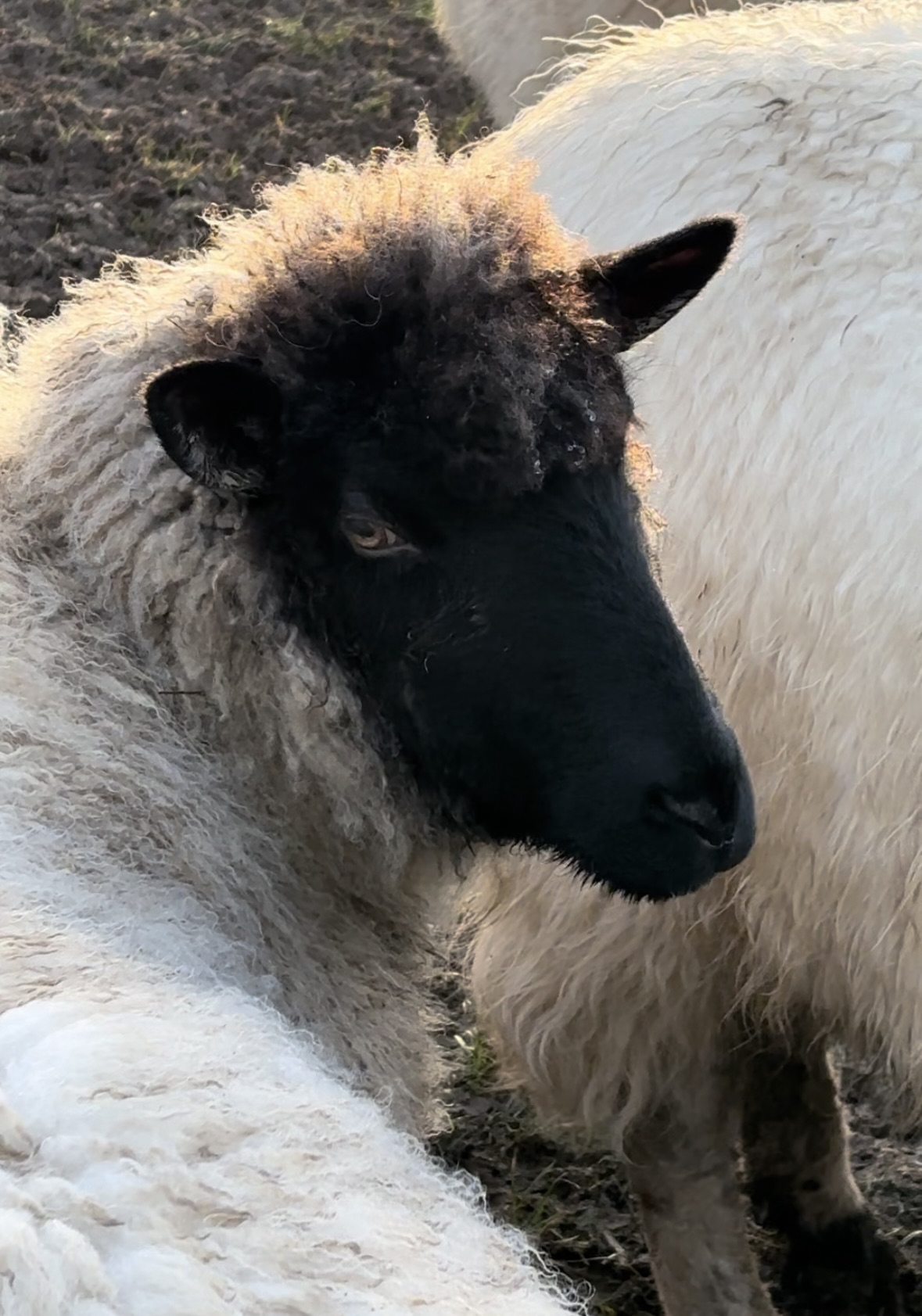
• Valais Blacknose – A more recent addition to my flock, Valais wool is long and lustrous. I’ve found it blends beautifully with other wools to add texture and a touch of softness.
Blending for the Best of Both Worlds
While single-breed wools each have their own strengths, blending them can enhance their best qualities. That’s why I carefully create blends that bring together the softness, durability, and rustic charm of different native wools:
• Hilltop Blend: A mix of Torddu, Shetland, and Balwen wool—bringing softness, warmth, and a beautifully textured finish.
• Rustic Blend: A combination of Valais, Kerry Hill, Llanwenog, Welsh White, and Beulah wool, creating a sturdy, tweedy yarn with plenty of character, which makes for durable comfortable socks!!
When I first started working with my own flock’s wool, I experimented with different combinations to find the right balance of softness and strength. The process of washing, carding, spinning, and dyeing each batch is always an adventure, and no two seasons are ever quite the same. That’s what makes small-batch wool so special—it’s a true reflection of the landscape, the weather, and the sheep themselves.
Supporting Native Breeds as Crafters
Every time we choose Welsh or British wool, we’re supporting small farms, sustainable practices, and the continuation of these incredible breeds. I always encourage knitters, crocheters, and spinners to explore native wools in their natural state—undyed skeins reveal so much about the fibre’s true character, from its subtle variations in colour to the way it takes up dye.
A Celebration of Wool’s Natural Beauty
Welsh wool is more than just a material—it’s a story of landscape, tradition, and craft. By working with native breeds, we embrace a piece of history while ensuring that these wonderful sheep continue to have a role in modern fibre arts.
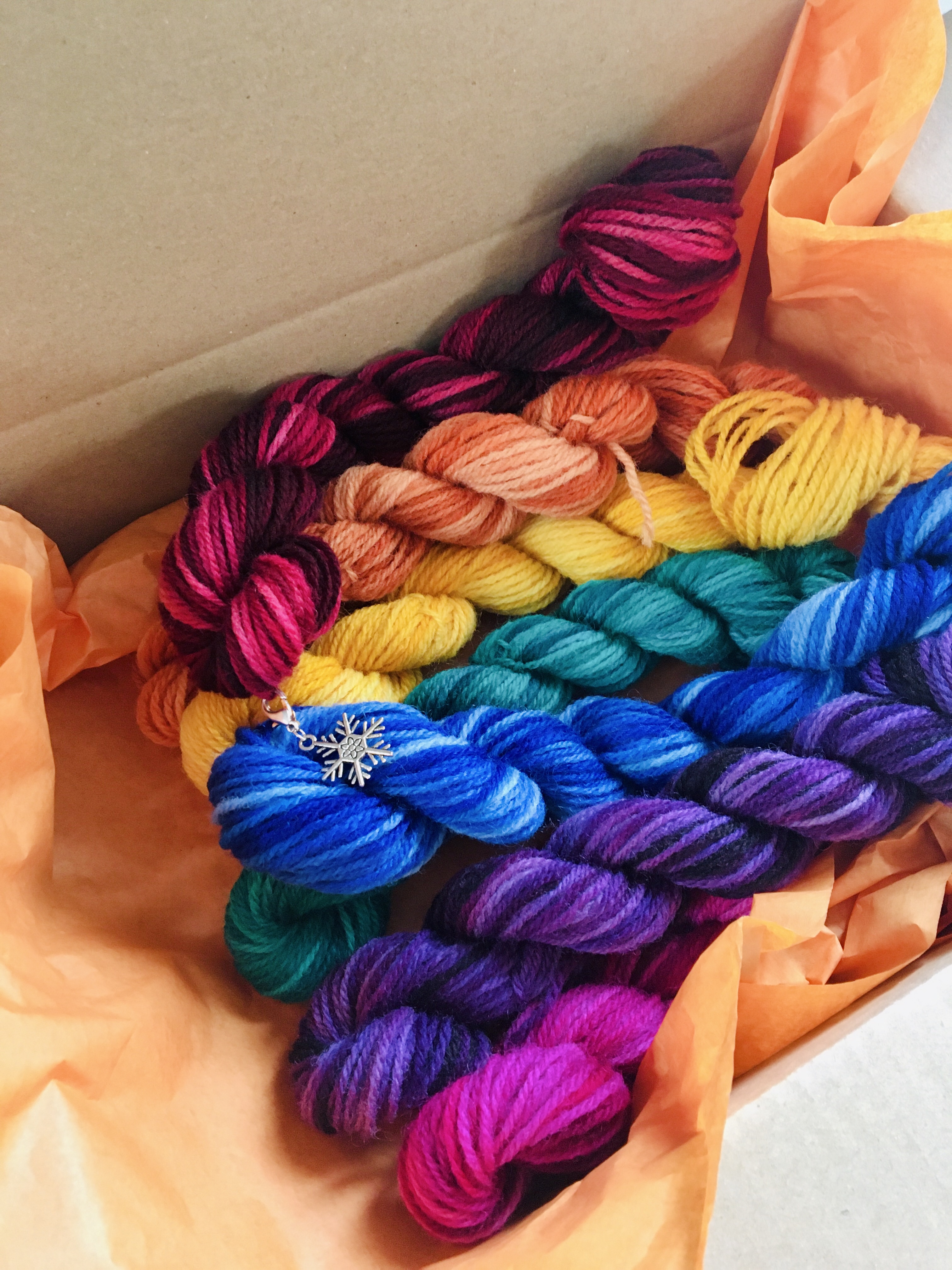
If you’d like to try working with native breed wool, take a look at my hand-dyed yarns and blends, all made from sheep raised right here on my smallholding in West Wales or the surrounding farms. Every skein tells a story of the land, the seasons, and the animals that produce it.
Let’s celebrate Welsh wool together—one stitch at a time.

Leave a Reply