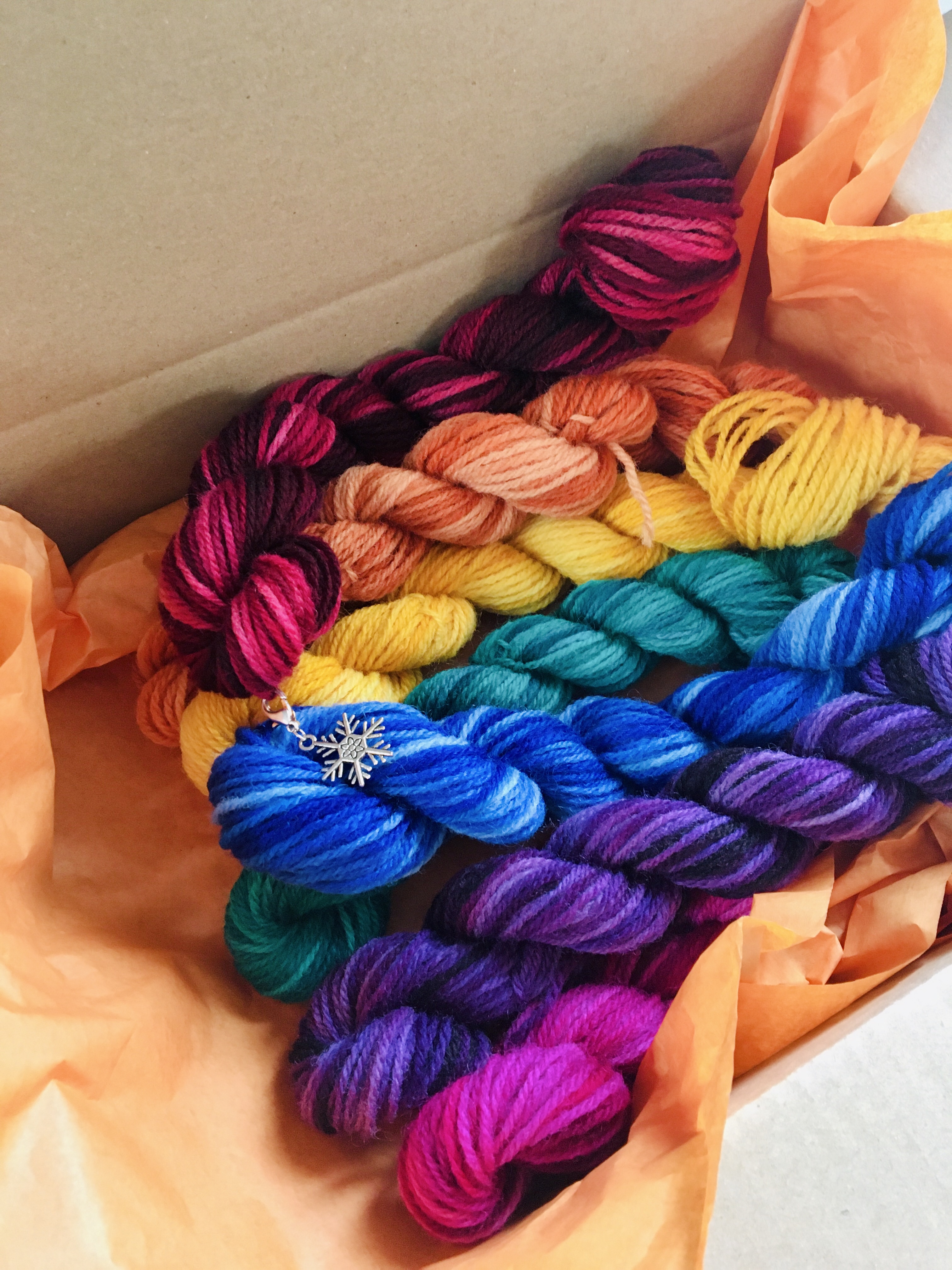

Nestled in the remote Shetland Islands of Scotland, a unique breed of sheep thrives in the harsh, yet breath taking landscape. Shetland sheep, with their hardy nature and captivating history, are renowned not only for their resilience but also for their exceptional wool. This blog post delves into the allure of Shetland sheep and the exquisite qualities of their wool, which has enchanted textile enthusiasts for centuries.
A Brief History of Shetland Sheep
Shetland sheep are one of the oldest and purest breeds in the world, with a lineage tracing back over a thousand years. It is believed that these sheep were brought to the Shetland Islands by Viking settlers around the 9th century. Their ability to survive and thrive in the rugged, wind-swept terrain is a testament to their adaptability and robust genetics.
Historically, the wool from Shetland sheep played a vital role in the local economy. Islanders used it to produce garments that provided warmth and comfort in the cold climate. Over time, Shetland wool gained a reputation for its fine quality and became highly sought after beyond the shores of the islands.
Characteristics of Shetland Wool
Shetland wool is prized for its unique combination of softness, strength, and warmth. Here are some of its defining characteristics:
- Softness: Shetland wool is incredibly soft, making it comfortable to wear directly against the skin. This is due to the fine fibers that make up the fleece, which are typically around 20-25 microns in diameter.
- Crimp and Loft: The wool has a natural crimp, which gives it a lofty quality. This means that garments made from Shetland wool are not only lightweight but also excellent insulators, trapping air to provide warmth.
- Durability: Despite its softness, Shetland wool is remarkably durable. It has a high tensile strength, which makes it ideal for knitting and weaving intricate patterns without compromising on longevity.
- Natural Colors: Shetland sheep come in a variety of colors, and so does their wool. From pure white and soft grays to rich browns and deep blacks, the natural hues of Shetland wool offer a diverse palette for textile artists. In fact, there are 11 recognized colors and 30 markings in the breed, adding to its appeal.
The Craftsmanship of Shetland Wool
The traditional Shetland knitting patterns, such as Fair Isle and lace knitting, showcase the versatility and beauty of Shetland wool. Fair Isle knitting, with its intricate, multicolored patterns, originated in the Shetland Islands and has become iconic in the world of knitwear. Lace knitting, characterized by delicate and airy patterns, also highlights the fine quality of Shetland wool.
Artisans who work with Shetland wool often emphasize sustainable and ethical practices. The sheep are typically raised in a free-range environment, grazing on natural pastures, which contributes to the high quality of the wool. Additionally, the wool is usually processed using eco-friendly methods, ensuring that the tradition of Shetland wool production remains gentle on the environment.
Modern-Day Appeal
In today’s world, where sustainability and quality are highly valued, Shetland wool stands out as a premium choice for textile enthusiasts. Its natural properties and the heritage behind it resonate with those who appreciate craftsmanship and the story behind the materials they use.
From cozy sweaters and elegant shawls to intricate home décor items, products made from Shetland wool are cherished for their beauty, comfort, and durability. The timeless appeal of Shetland wool ensures that it remains a favorite among knitters, weavers, and fashion designers alike.
Shetland sheep and their wool are a testament to the enduring relationship between nature and human craftsmanship. The breed’s storied past, coupled with the exceptional qualities of its wool, continues to captivate and inspire. Whether you are a seasoned knitter or someone discovering the wonders of Shetland wool for the first time, there is no denying the magic woven into every fiber.
Our Shetlands here on the smallholding are Skitty and Suki, then Bindi and Faith are Shetland crosses.

Find out more about Faith’s heritage here
Leave a Reply