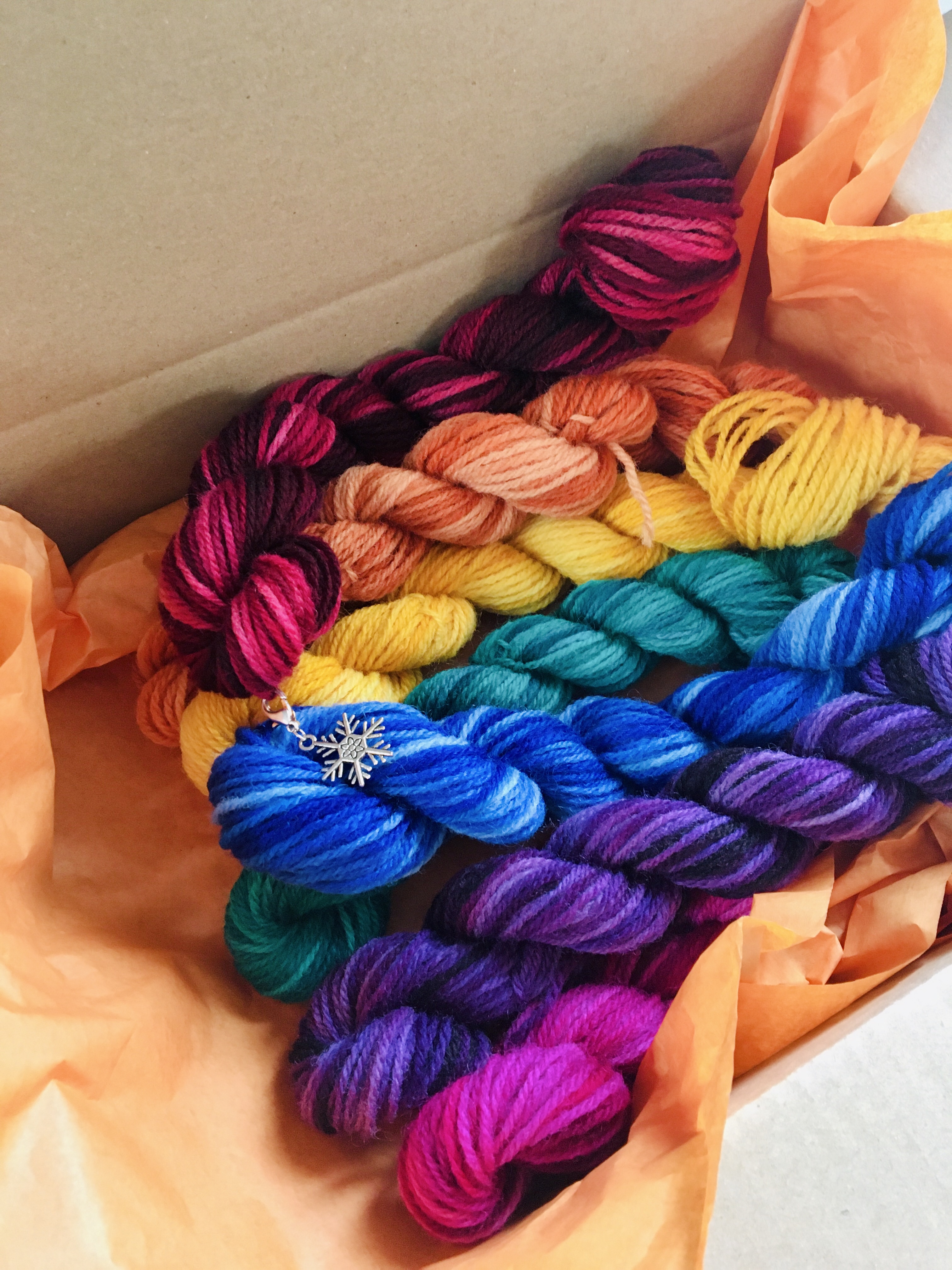


In a world increasingly concerned with sustainability and eco-friendliness, many people are turning to natural alternatives for everything from food to fashion. One such trend gaining momentum is the use of plants as natural dyes and it is one I am thoroughly enjoying diving down the rabbit hole with.
The vibrant colours that can be extracted from leaves, roots, flowers, and even bark have been used for centuries in textiles, cosmetics, and art. This blog post explores the fascinating world of natural plant dyes, offering insight into the process, benefits, and how I started and how you can start dyeing your own yarns at home.
Why Use Natural Dyes?
The use of natural dyes predates recorded history. Ancient civilizations, from the Egyptians to the Chinese, used plants to create pigments for their textiles and art. Unlike synthetic dyes, which are often petroleum-based and can have harmful environmental effects, natural dyes are biodegradable and non-toxic. This makes them an appealing choice for those looking to reduce their ecological footprint.
Additionally, natural dyes often produce a depth of colour and variation that is difficult to achieve with synthetic dyes. Each batch of dye can be slightly different, giving your fabric a unique and organic feel. For those who appreciate the beauty of imperfection, this can be one of the most rewarding aspects of working with natural dyes.
Common Plants Used as Natural Dyes
The natural world is a treasure trove of colour, and many plants can be used to create beautiful dyes. Here are a few common plants and the colours they produce:
- Indigo (Indigofera tinctoria): Famous for its deep blue hues, indigo is perhaps the most well-known natural dye. It has been used for centuries to colour fabrics, particularly denim.
- Madder Root (Rubia tinctorum): Madder root produces a range of reds, from soft pinks to deep burgundies. This dye has been used for thousands of years and is particularly valued for its rich, earthy tones.
- Turmeric (Curcuma longa): Turmeric is a readily available spice that can be used to produce bright yellow dyes. While it may not be as colourfast as other dyes, it’s easy to work with and gives stunning results.
- Onion Skins (Allium cepa): The outer skins of yellow onions can produce beautiful shades of orange and rusty browns. Onion skin dyeing is a great way to repurpose kitchen waste and experiment with colour.
- Black Walnut (Juglans nigra): The hulls of black walnuts can be used to create rich, warm browns. This dye is known for its durability and strong colourfastness.
- Avocado Pits (Persea americana): Surprisingly, the pits and skins of avocados can produce soft pinks and peach tones. This is another excellent way to repurpose food waste.
The Dyeing Process: A Step-by-Step Guide
Creating your own natural dyes at home is a rewarding and meditative process. Here’s a basic guide to get you started:
- Gather Materials: Choose your plant material based on the colour you wish to achieve. You’ll also need a pot, water, yarn, and a mordant (more on that below).
- Prepare the Fabric: Before dyeing, your yarn must be pre-treated with a mordant to help the dye bond to the fibres. Common mordants include alum, iron, and tannin. Soak the yarn in a mordant solution for about an hour, then rinse it thoroughly.
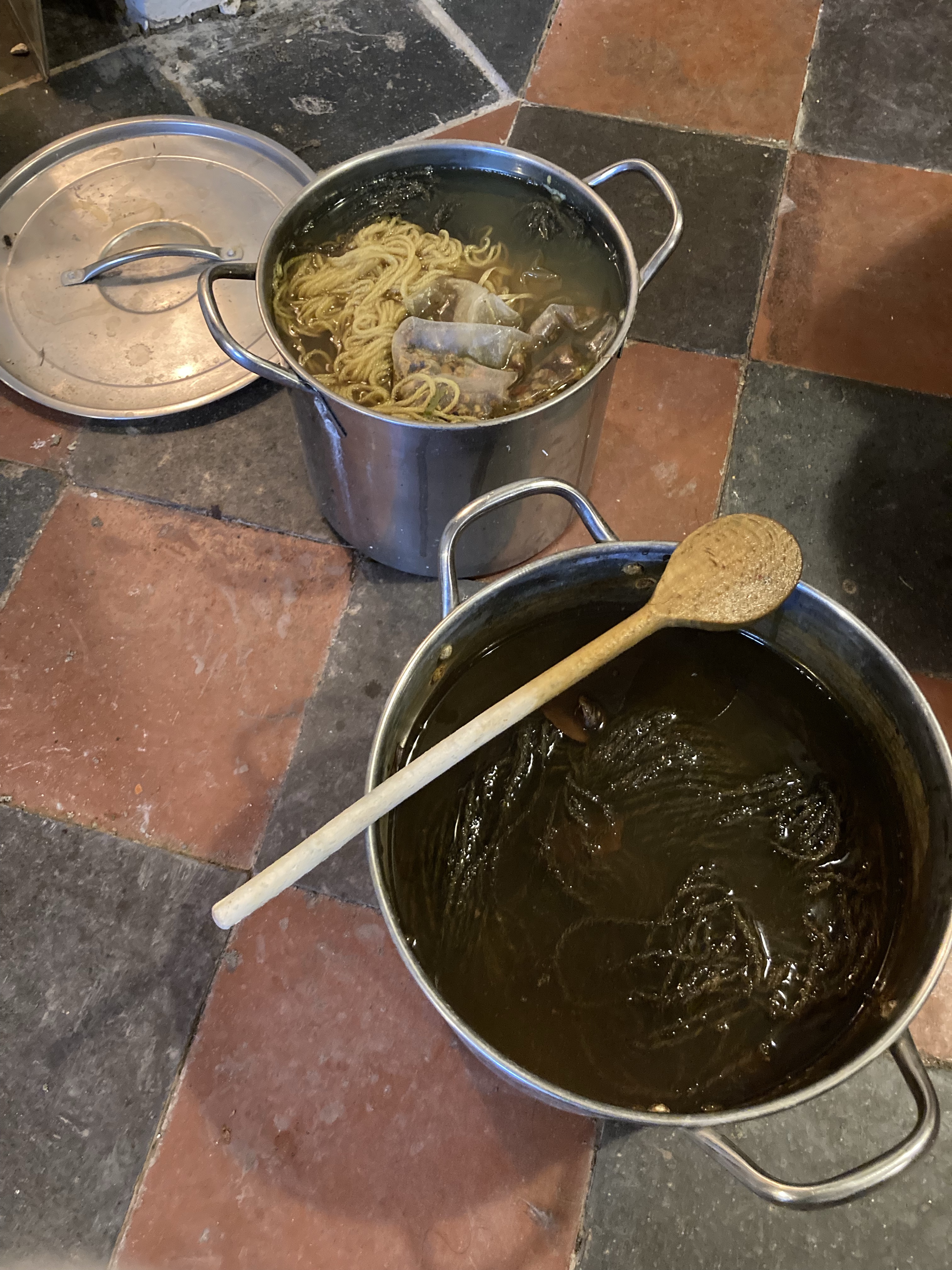
- Make the Dye: Chop or tear your plant material into small pieces and place them in a large pot. Add enough water to cover the yarn you will be using and bring the mixture to almost a boil. I prefer not boiling and go for the longer simmer to draw out the dyes. Once it reaches a boil, reduce the heat and let it simmer for about an hour or more. The longer you simmer, the stronger the dye will be.
- Strain and Dye: After simmering, I tend to allow the dye to cool before I strain the plant material from the liquid to create the dye bath. Submerge your pre-treated yarn in the dye bath, making sure it’s fully covered. Allow it to soak for anywhere from 30 minutes to several hours, depending on how deep you want the colour.
- Rinse and Dry: Once you’re happy with the colour, remove the yarn from the dye bath and rinse it under cold water until the water runs clear. Hang it to dry in the shade, as direct sunlight can fade the colours particularly with fugitive dyes (which I now avoid as they are an utter disappointment!!)
Tips for Successful Natural Dyeing
- Experiment with Mordants: Different mordants can change the resulting colour. For example, using alum might give you a bright colour, while iron can darken the shade.
- Keep Records: Natural dyeing is an art form, and results can vary based on factors like water quality, plant freshness, and even the weather. Keeping a dye journal can help you replicate your favourite colours.
- Be Patient: Natural dyeing can be unpredictable, and it may take some experimentation to achieve your desired results. Embrace the process and enjoy the surprises along the way.
The Benefits of Natural Dyeing
Beyond the aesthetic appeal, natural dyeing offers several benefits:
- Eco-Friendly: Unlike synthetic dyes, which can pollute waterways and harm ecosystems, natural dyes are biodegradable and have a much lower environmental impact.
- Non-Toxic: Natural dyes are safer for both the dyer and the wearer, especially for those with sensitive skin or allergies.
- Connection to Nature: Engaging in the process of natural dyeing fosters a deeper appreciation for the natural world. It encourages sustainable practices and mindful consumption. I love foraging for natural dyes along our hedgerows so a bonus as it gets me outside more!
- Creative Expression: Each dyeing session is a creative experiment, allowing you to explore colours, textures, and patterns. The uniqueness of each piece adds a personal touch to your wardrobe or home décor.
Conclusion
Using plants as natural dyes is more than just a crafting trend—it’s a way to reconnect with nature, create something truly unique, and contribute to a more sustainable world. Whether you’re an experienced textile artist or a curious beginner, natural dyeing offers endless opportunities for exploration and creativity. So, gather some plants, roll up your sleeves, and start your colourful journey today.
Leave a Reply