
When it comes to sustainable crafting and fashion, the origin of your fibre matters—sometimes more than how it’s processed or dyed. Choosing locally sourced fibres, like Welsh or British wool, can have a significant impact on reducing your environmental footprint while supporting regional ecosystems and communities.
Why Local Matters
The majority of textiles in the global market travel thousands of miles from farm to factory to retailer. This “fast fashion” model creates a hidden environmental cost:
- Transport emissions: Shipping fibres internationally adds greenhouse gases to the atmosphere.
- Energy-intensive processing: Industrial processing often relies on non-renewable energy sources.
- Chemical pollution: Synthetic dyes and finishes contribute to water pollution.
By contrast, local fibres minimize these impacts. When wool or cotton travels only a few miles from farm to mill, the carbon emissions from transport drop dramatically, and it’s easier to ensure sustainable, chemical-conscious processing methods.
The Environmental Benefits of Welsh and British Wool
Local British and Welsh wool offers several ecological advantages:
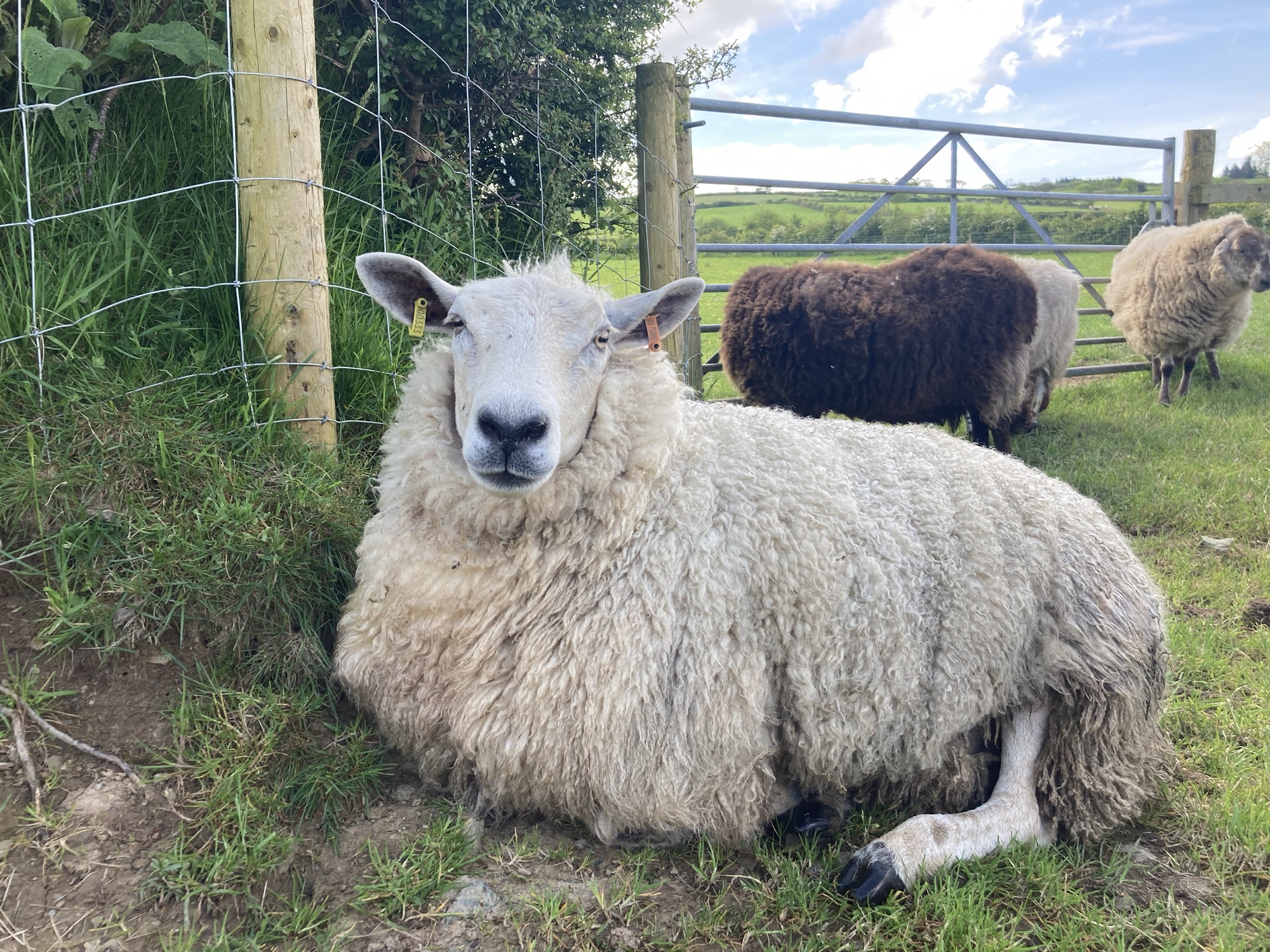
- Low-Carbon Production: Sheep grazed on local pastures absorb carbon into the soil, offsetting emissions naturally. Combined with minimal transport, this results in a much lower overall carbon footprint.
- Reduced Resource Use: Local farms often use traditional grazing and rotational practices, which protect soil health, reduce erosion, and preserve native plant biodiversity.
- Minimal Processing Distances: Wool doesn’t need to be shipped abroad for scouring, spinning, or dyeing, so energy use and emissions are dramatically reduced.
In essence, choosing local fibres supports circularity in production, where the journey from sheep to shawl stays within a manageable, sustainable ecosystem.
Supporting Local Communities
Sourcing fibres locally also strengthens the local economy. By choosing Welsh or British wool:
- You support smallholders and traditional shepherding practices.
- You encourage rural craft industries, including mills, spinners, and dyers.
- You help preserve heritage breeds, which are often better adapted to the local environment and biodiversity-friendly.
This creates a positive ripple effect: healthier landscapes, thriving communities, and higher-quality fibres for your craft.
Local Fibres and Slow Fashion
Using local fibres is a natural extension of the slow fashion movement. When fibres are grown, processed, and crafted close to home, you are:
- Reducing unnecessary waste and emissions
- Making mindful choices about materials
- Connecting to the story behind every skein, yard, or thread
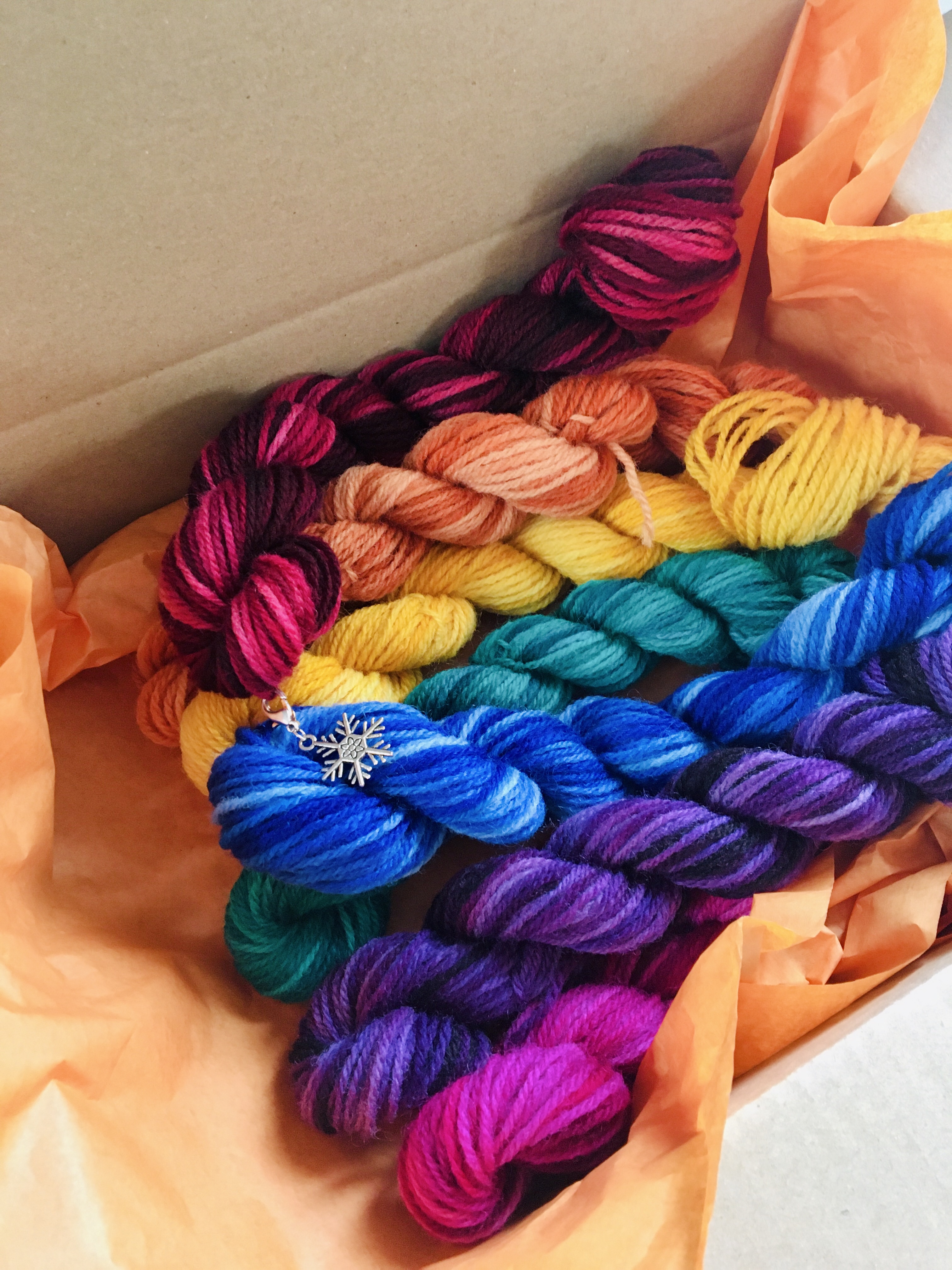
A scarf made from Welsh wool isn’t just a beautiful item—it’s a conscious decision that reflects care for the planet, animals, and artisans.
How to Choose Local Fibres
- Look for provenance: Check labels or supplier websites for the origin of fibres.
- Visit smallholders or local mills: First-hand knowledge ensures transparency.
- Prioritize traditional breeds: Native sheep often have lower environmental impacts and support local biodiversity. The Rare Breeds Survival Trust website can help here!
- Support artisanal processing: Local spinners and dyers often use chemical-conscious or natural dyes, further reducing ecological impact.
Every purchase becomes a vote for sustainability, ethics, and community resilience.
Final Thoughts
Choosing local fibres like Welsh or British wool is one of the most effective ways crafters can lower their carbon footprint while supporting ethical and ecological practices. It’s not just about the yarn—it’s about the story, the land, and the ecosystems that sustain it.
By prioritizing locally sourced, low-impact fibres, you’re crafting with purpose, helping the environment, and contributing to a more sustainable, connected textile economy.
Leave a Reply