
How Ethical Wool Supports Local Ecosystems

In a world where fast fashion dominates, it’s easy to forget that every yarn and fibre has a story. Wool, in particular, is more than just a material—it’s a living, breathing connection between animals, land, and people. By choosing ethically produced wool from smallholders, we can support local ecosystems, promote biodiversity, and embrace low-carbon, sustainable craft practices.
From Sheep to Fibre: The Journey Matters
Smallholders care for their sheep year-round, focusing on animal welfare and environmental stewardship. Unlike industrial farming, which often prioritizes volume over quality, small-scale flocks are managed with the land, the animals, and the surrounding ecosystem in mind.
- Animal Welfare: Sheep are treated as part of the farm’s ecosystem, not just a resource. Practices like rotational grazing and avoiding unnecessary stress ensure the animals thrive.
- Local Sourcing: Wool rarely travels more than a few miles from farm to fibre production, drastically reducing its carbon footprint compared to industrial wool that may be shipped internationally.
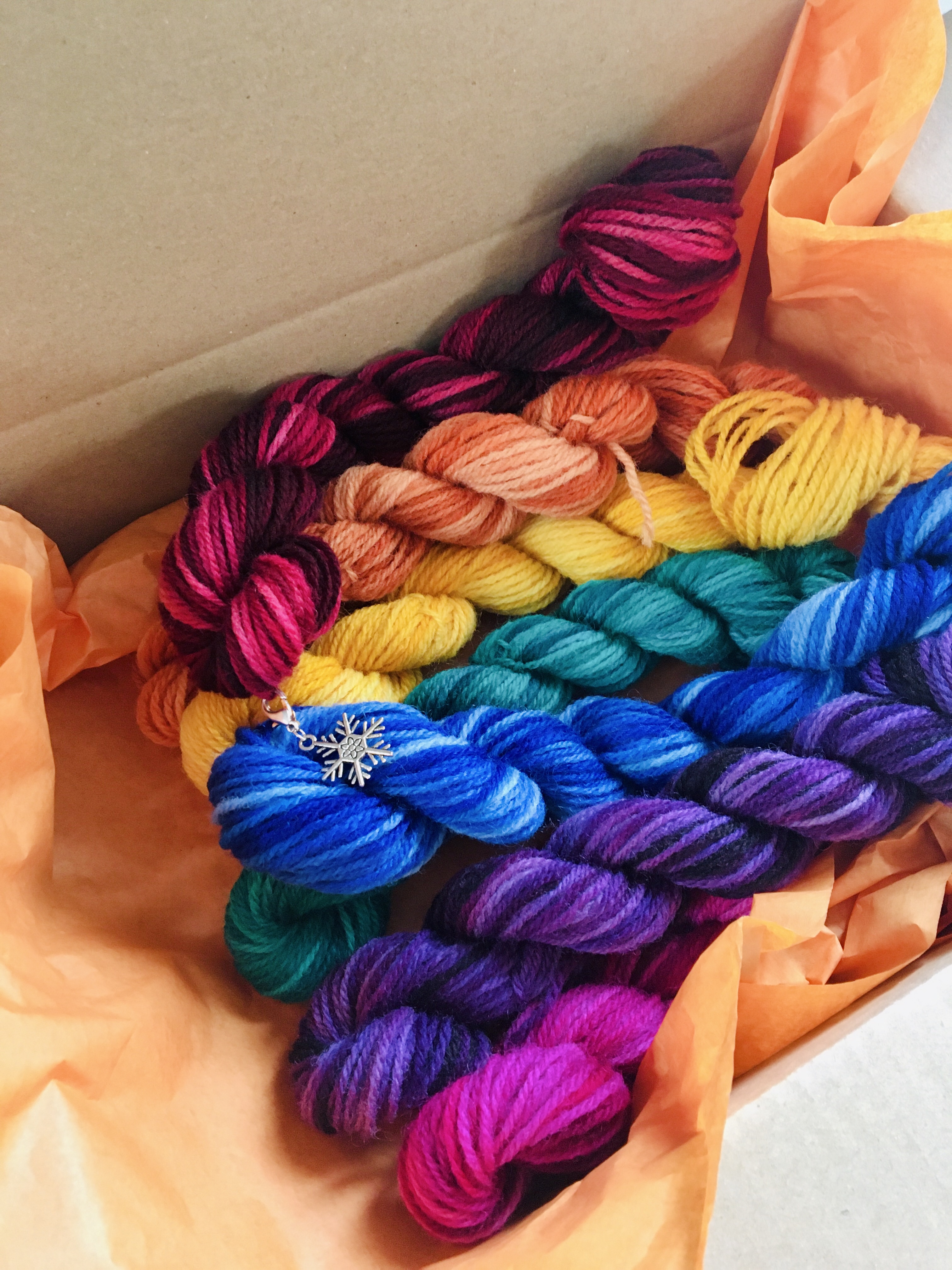
- Minimal Processing: Ethical smallholders often use gentle scouring and natural dyes, avoiding harsh chemicals that can harm waterways.
The result is wool that is traceable, sustainable, and high-quality, perfect for knitters, spinners, and fibre artists who value mindful making.
Supporting Local Ecosystems
Small-scale sheep farming can have positive ecological impacts when done responsibly:
- Biodiversity Preservation: Sheep grazing helps maintain open landscapes, encouraging wildflowers and native plants to flourish. This, in turn, supports pollinators and local wildlife.
- Soil Health: Managed grazing prevents overgrazing, helping soils retain nutrients and water, reducing erosion.
- Carbon Sequestration: Healthy pastures act as carbon sinks, storing carbon in the soil and helping offset emissions from small-scale farming activities.
- Native Breeds: By raising heritage and native breeds, smallholders preserve genetic diversity that might otherwise be lost to industrial farming.
Every fleece processed and sold by a smallholder carries the story of the land it came from, allowing crafters to connect with their materials on a deeper level.
Low-Carbon Crafting
One of the most compelling reasons to choose smallholder wool is its tiny carbon footprint. Unlike mass-produced wool, which may travel thousands of miles and undergo chemical-heavy processing, local small-scale wool is:
- Grown naturally, with minimal energy input
- Transported only a few miles from farm to fibre studio
- Processed with sustainable methods, often by hand
This combination makes smallholder wool one of the most environmentally responsible fibres available—perfect for crafters who want to align their making with eco-conscious values.
Ethical Wool and Slow Fashion
Using wool from ethical smallholders fits perfectly with the slow fashion movement. By choosing fibres that are local, traceable, and carefully processed, you’re:
- Reducing your environmental impact
- Supporting local farmers and traditional practices
- Encouraging mindful, intentional crafting
- Creating items that are not only beautiful but also carry meaning and story
Each shawl, sweater, or scarf becomes more than a piece of clothing—it becomes a connection to the land, the sheep, and the craftsperson.
How You Can Support Ethical Wool
- Seek Out Smallholders: Buy directly from local farms or artisan producers who provide transparency about their practices.
- Ask About Breeds and Grazing: Understand how animals are raised and how the land is managed.
- Prioritize Low-Impact Processing: Look for wool that is minimally processed and naturally dyed.
- Choose Quality Over Quantity: Invest in fewer, high-quality pieces that will last decades.
By making these choices, you’re not just buying wool—you’re participating in a system that values ethics, ecology, and craftsmanship.
Final Thoughts
The journey from sheep to shawl is a powerful reminder that every fibre we use has an impact. By choosing ethical wool from smallholders, we can support local ecosystems, reduce carbon emissions, and embrace the beauty of slow fashion.
In a time when the fashion industry often feels disconnected from nature, small-scale, ethical wool offers a way to craft with conscience, honouring both the animals and the land that make our creativity possible.

Leave a Reply