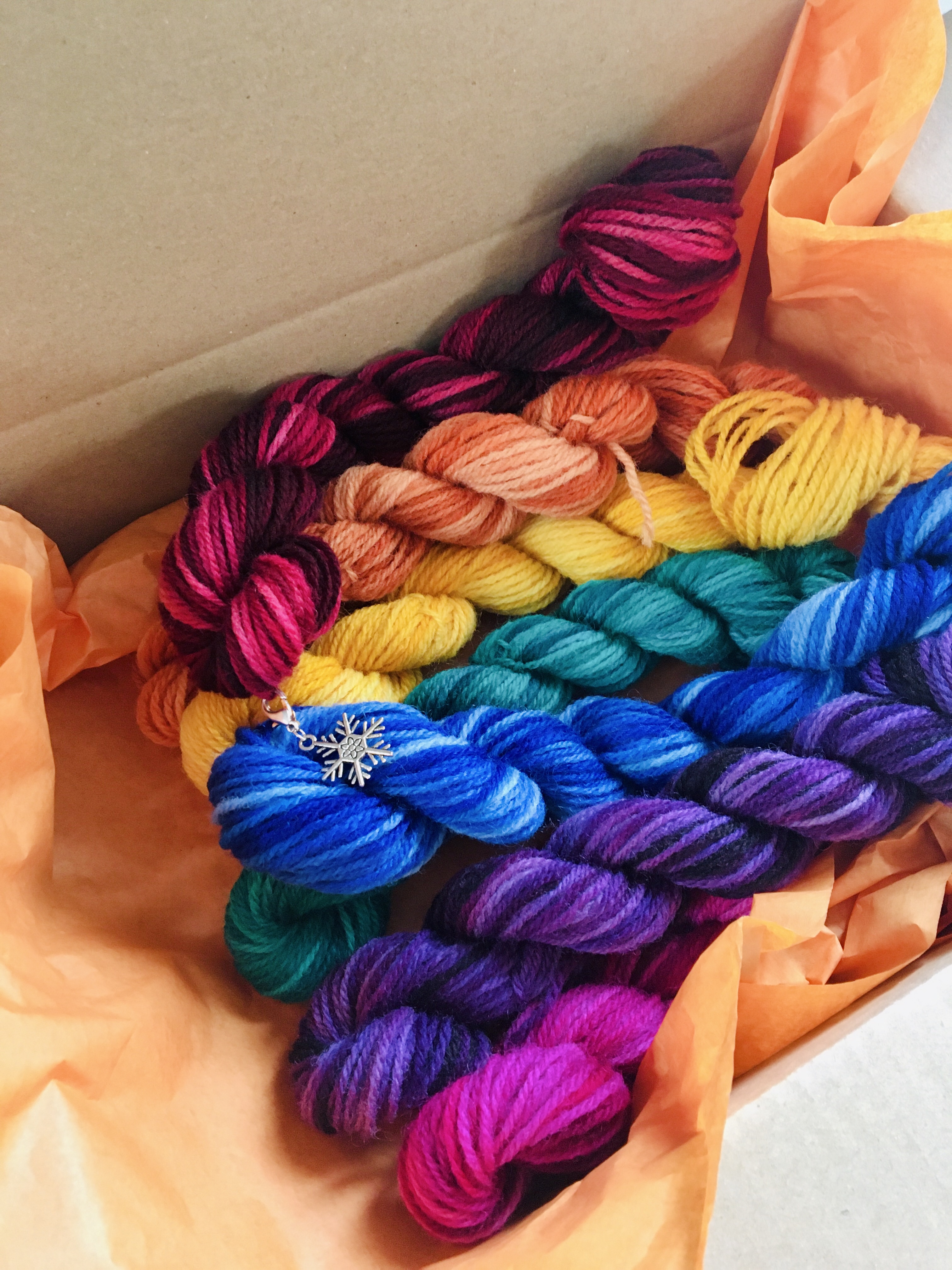


Which Fibres Are Truly Sustainable?
When it comes to choosing fibres for your crafting or fashion projects, the debate often comes down to natural versus synthetic fibres. On the surface, it seems simple—natural fibres like wool or cotton come from plants or animals, so they must be better for the planet, right?
Meanwhile, synthetic fibres like polyester or nylon are human-made, often from fossil fuels, and can be harder to biodegrade. But the reality is more nuanced. Let’s break it down.
Understanding Natural Fibres
Natural fibres are derived from plants, animals, or minerals. They are generally renewable, biodegradable, and breathable, which makes them a go-to for sustainable fashion and crafting. Common natural fibres include:
- Wool – Renewable, biodegradable, and warm. Sheep grazing can support local ecosystems, and small-scale wool production often has a tiny carbon footprint.
- Cotton – Soft and breathable, but conventional cotton farming can be water- and pesticide-intensive. Organic cotton is a better option.
- Linen / Flax – Requires little water and pesticides, durable, and biodegradable.
- Hemp – Low-impact, fast-growing, naturally pest-resistant, and excellent for eco-friendly textiles.
- Silk – Luxurious and biodegradable, though traditional silk production can be resource-heavy. Peace silk offers an ethical alternative.
Pros of Natural Fibres:
- Biodegradable and compostable.
- Renewable sources when grown responsibly.
- Comfortable and breathable for wearables.
Cons of Natural Fibres:
- Resource-intensive crops like cotton can strain water supplies.
- Some fibres rely on animal farming, which can raise ethical concerns amongst some people, although I firmly believe we as human have a responsibility to sheep as we have selectively bred them to keep their fleeces so therefore we are responsible for then removing them and making best use of them!
- Processing may involve chemicals or heavy water usage, particularly true of certain cottons or superwash processes for yarns! (See this post for more on Superwash)
Understanding Synthetic Fibres
Synthetic fibres are human-made, usually from petrochemicals, and include:
- Polyester – Durable, wrinkle-resistant, and cheap, but produced from oil and slow to biodegrade.
- Nylon – Strong and flexible, but energy-intensive to produce.
- Acrylic – Often used as a wool substitute; non-biodegradable and chemically produced.
Pros of Synthetic Fibres:
- Long-lasting and resistant to wear.
- Can be recycled into new fabrics, reducing waste.
- Some modern synthetics (like recycled polyester) have lower environmental impacts than virgin materials.
Cons of Synthetic Fibres:
- Derived from fossil fuels, contributing to climate change.
- Microplastics shed during washing pollute waterways.
- Acrylics also stretch out over time and who wants to waste time knitting a beautiful garment only to have it stretch out and become too big or misshapen.
- Non-biodegradable, persisting in landfills for decades.
The Sustainability Trade-Off
Neither natural nor synthetic fibres are perfect—each has trade-offs:
| Fibre Type | Key Benefits | Key Concerns | Best Practices |
|---|---|---|---|
| Wool | Renewable, biodegradable, low-carbon when local | Requires animal care; some farming is resource-intensive | Choose ethically raised, local wool |
| Cotton | Soft, breathable, renewable | Water- and pesticide-intensive | Choose organic or recycled cotton |
| Linen/Hemp | Durable, low-impact | Limited availability | Source responsibly |
| Silk | Biodegradable, luxurious | Resource-heavy, ethical concerns | Opt for peace silk or certified silk |
| Polyester | Durable, recyclable | Petrochemical-based, microplastics | Use recycled polyester, avoid single-use garments |
| Nylon | Strong, long-lasting | High energy production | Recycled nylon or reduced-use designs |
| Acrylic | Cheap wool alternative | Non-biodegradable, chemical-heavy | Limit use, choose recycled versions |
Making the Right Choice
- Consider lifespan – Longer-lasting fibres reduce waste.
- Check certifications – OEKO-TEX, GOTS, or Bluesign can guide safer choices.
- Think about end-of-life – Natural fibres generally biodegrade; recycled synthetics may be the best option if natural fibres are impractical.
- Blend wisely – Blended fibres can be harder to recycle, so single-fibre projects are often more sustainable.
The Takeaway
Choosing sustainable fibres isn’t as simple as “natural is good, synthetic is bad.” It’s about weighing the environmental, ethical, and practical impacts of each fibre type. For truly mindful crafting or fashion, aim for local, renewable, and responsibly processed natural fibres, or recycled synthetics where durability and resource efficiency are priorities.

Leave a Reply