

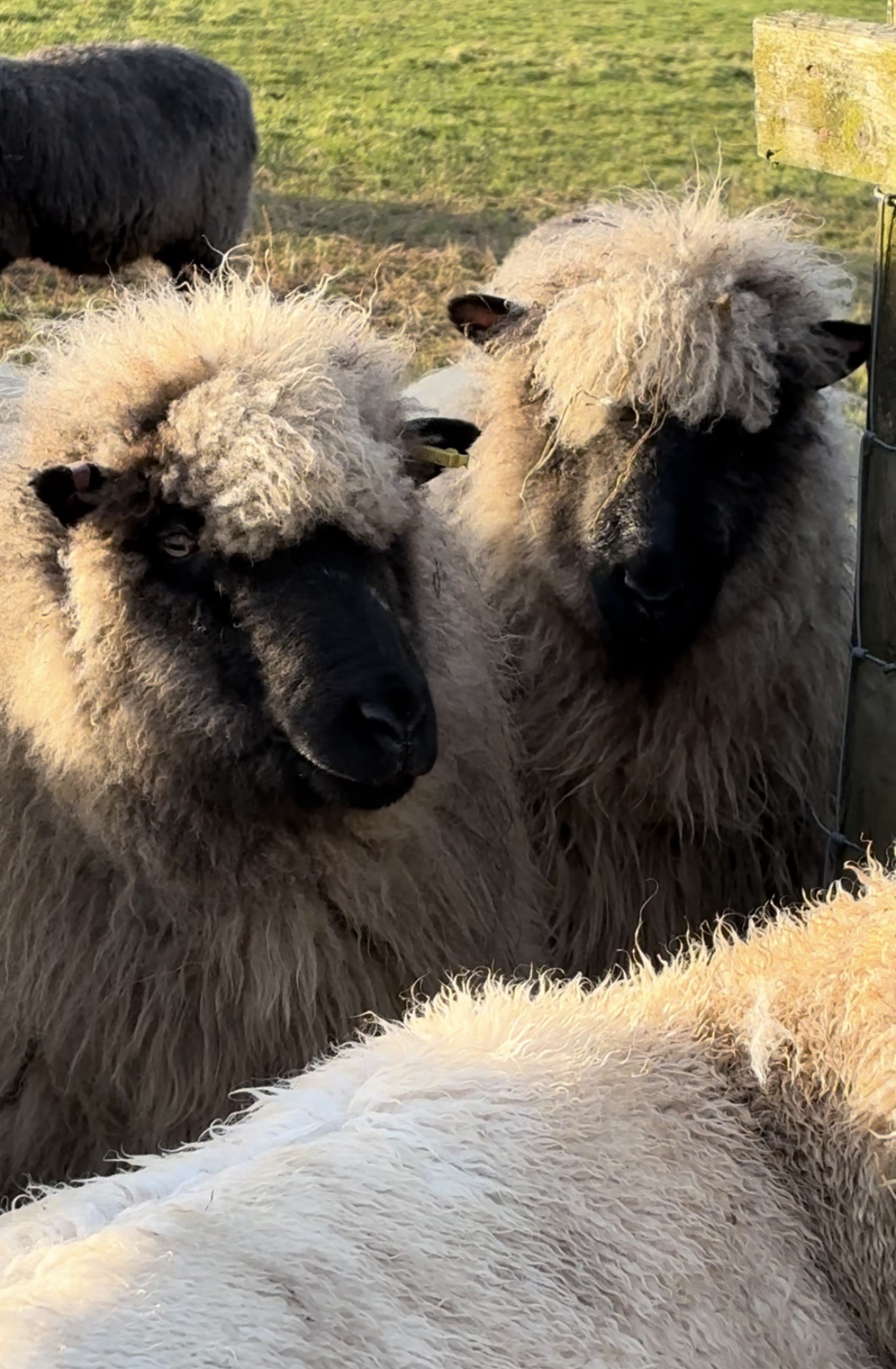

Sheep have long been saddled with the unfortunate reputation of being dim-witted animals. They’re often caricatured as docile, thoughtless followers, blindly herding together without a shred of individual intelligence. However as someone who works closely with these gentle creatures every day, I can confidently say: this myth couldn’t be further from the truth.
Let’s explore why sheep are far smarter and more fascinating than they’re given credit for.
1. Sheep Have Remarkable Memories
Sheep possess excellent memory skills, capable of recognizing the faces of their flockmates and even humans for up to two years. Studies have shown that sheep can distinguish between dozens of faces and display a strong emotional response when they encounter those they trust. This ability rivals some primates and demonstrates their capacity for social intelligence.
2. Problem-Solving Skills
Despite their reputation, sheep are resourceful problem-solvers. They can navigate complex mazes, learn from past experiences, and even devise clever ways to access food or evade predators. For example, a group of sheep in Yorkshire famously learned to roll over cattle grids to escape their fields. These creative acts show that sheep are far from the mindless followers they’re often portrayed to be.
3. Strong Emotional Bonds
Sheep are deeply social animals that form close bonds within their flocks. They display empathy, comfort each other when distressed, and form lifelong friendships. Mothers and lambs share especially strong connections, often communicating through soft bleats to locate and reassure each other. These emotional ties highlight their complex social dynamics and caring nature. This was highlighted to me again this year when I decided to reunite the wethers with the main flock for the winter months! Coal immediately reunited happily with Fred, Bilbo and Thorin, Garlick was the same with Beorn, Indie with Dwalin (I raised Baalin for her!)
4. Sheep Are Observant and Adaptable
If you’ve ever worked with sheep, you’ll know they’re quick to notice subtle changes in their environment. They can sense danger long before we do and react accordingly. They’re also highly adaptable, thriving in varied climates and landscapes, from Welsh hillsides to arid plains. Their adaptability is a testament to their intelligence and resilience.
5. Their Behaviour Reflects Survival Instincts, Not Stupidity
The tendency for sheep to stick together isn’t a sign of ignorance but a survival strategy. In the wild, staying in groups protects them from predators. What some interpret as “blind following” is actually a sophisticated and evolutionarily honed response to danger. This herd instinct has kept them alive for thousands of years and continues to be an essential part of their behaviour.
A Final Word on Perception
The myth of the “stupid sheep” likely stems from their gentle and non-aggressive nature, which contrasts with the more assertive behaviours of animals like dogs or cattle. But intelligence manifests in many ways, and sheep excel in areas like social awareness, memory, and adaptability.
Next time you see a flock grazing on a hillside, take a moment to appreciate their quiet brilliance.

Sheep are far more than the unfair stereotype suggests—they are intelligent, intuitive, and deeply social beings.
For those of us lucky enough to care for these animals, their subtle intelligence and kind nature make them a joy to be around. The more we understand and respect them, the more we can learn about the intricate and fascinating world they inhabit.
Do you have your own sheep stories?
If you’ve ever witnessed sheep showcasing their intelligence or personality, I’d love to hear your anecdotes! Let’s celebrate the smarts behind the wool and give these remarkable animals the credit they deserve.
Leave a Reply