

The story of wool is one of transformation, creativity, and tradition. Every skein of yarn tells a tale, beginning with a flock of sheep grazing on the hills and fields.
In this post, we’ll explore the fascinating journey that wool takes from fleece to finished yarn, with a special focus on the sustainable practices we use to keep this process as gentle on the planet as it is on our flock.
Step 1: Shearing – Harvesting the Wool
The journey starts with shearing, a process as ancient as sheep farming itself. Each spring, our no-kill flock is carefully shorn to remove their fleece. This is a necessary part of their care, ensuring the sheep remain healthy and comfortable through the warmer months. Shearing requires skill, patience, and a gentle touch to ensure the sheep are calm and unharmed and I hasten to add done by professional shearers not by ME!!!
The fleece we collect is the very foundation of our yarns.
Step 2: Sorting and Skirting – Selecting the Best Fibre
Once sheared, the fleece is laid out and examined. This is where the magic of wool selection begins. We sort through the fibre, removing debris and lower-quality sections while selecting the finest wool for spinning. Each breed in our flock – from Shetlands to Beulah’s – has its unique characteristics, and this step ensures that these qualities shine in the final yarn. We then pack up the fleeces and head off 7 miles up the road to the mill!!
If you would like to see more of the mill processes there are a series of short films available! I will add the links at the end.
Step 3: Washing – Preparing the Fibre
Next, the wool is washed to remove lanolin, dirt, and any remaining impurities. The result is clean, soft fibre ready for processing, while the lanolin-rich wastewater is safely composted or repurposed.
Step 4: Carding – Aligning the Fibres
Clean wool is then carded, a process that disentangles and aligns the fibres. This step transforms the fleece into a fluffy, uniform batt or roving, perfect for spinning. Carding can be done by hand here on the smallholding or with a machine at the mill, but in both cases, it’s a mesmerizing step where the wool begins to take on new life.
Step 5: Spinning – Crafting Yarn
Spinning is where the fleece truly transforms into yarn. Using a spinning wheel or drop spindle, or a mill machine, the carded fibres are twisted together to form a continuous thread. Different spinning techniques create yarns of varying thickness, texture, and strength. Our hand-spun and mill-spun yarns are designed to highlight the unique qualities of the wool, whether it’s the softness of Aberfield lambswool or the rustic character of a Valais blend.
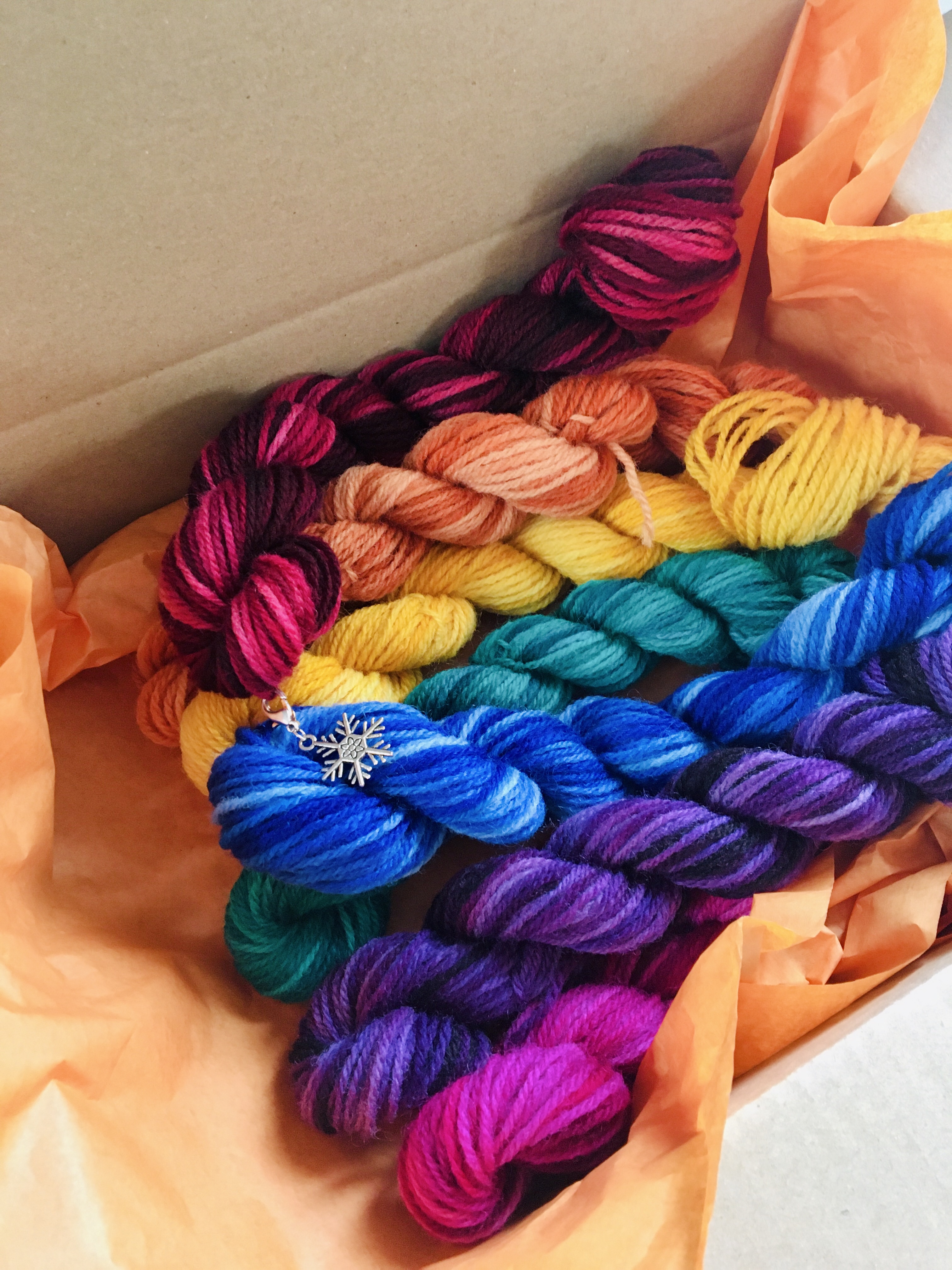
Step 6: Dyeing – Adding Colour and Character
For many, dyeing is where the real artistry happens. Using our wood-fired burner and a mix of acid and natural dyes, we create colours inspired by and sometimes literally from the landscapes of West Wales. From the subtle greens of mossy hills to the vibrant purples of heather, each skein reflects the natural world around us. Our natural dyeing process often incorporates foraged plants, adding another layer of connection to the land.

Step 7: Skeining and Finishing – The Final Touches
The spun and dyed yarn is then wound into skeins, ready to be used by crafters. This final step ensures the yarn is ready to be transformed into beautiful handmade projects.
Why Choose Locally Produced Wool?
At every stage of this journey, we prioritize sustainability and craftsmanship.
Our wool travels no more than seven miles from the field to its finished form, ensuring a minimal carbon footprint.
By choosing locally produced wool, you’re not only supporting ethical farming practices but also helping to preserve traditional skills and the rich heritage of British wool production.
The Start of Your Own Wool Journey
Whether you’re a seasoned knitter or just starting your crafting adventure, each skein of yarn carries with it the care and dedication of its creation. When you pick up a ball of wool, you’re not just holding a material; you’re holding the story of the sheep, the land, and the people who brought it to life.
What will you create with your next skein of yarn?
Share your woolly projects with us and join the community of makers who celebrate the incredible journey of wool.
Our series of short films with Martyn of the Knit365 podcast are linked here
Episode One – Meet the Sheep
Episode Two – Shearing
Episode Three – Mill Tour with the wonderful Roger Poulson at Curlew Weavers
Leave a Reply