
Yesterday, I stepped away from the usual grind for a much-needed day of woolly shenanigans at the Wool Museum in Drefach Felindre. It was fabulous to catch up with many familiar faces, including Sascha, Jane, Michelle, Sara and Debby.
The event we attended marked the launch of the Welsh Wool label and traceability scheme—a monumental achievement that has taken years of hard work. Designers, makers, and weavers can now access Welsh wool of commercial quality, fully traceable to its origins. This is undoubtedly a huge step forward for the wool industry as a whole.
BUT for us small artisan producers, those of us who tend our own flocks and nurture every fibre with care and pride, the barriers remain. Because we don’t sell our wool to and through the Wool Board, we’re still unable to obtain a license to use this label, even though our wool is often the product of years of dedicated, small-scale, sustainable practices. While there’s a glimmer of hope that this might change in the future, right now, we remain on the sidelines.
To some, we might seem insignificant, just small-scale businesses with our modest shops, stalls, and online presences, but I ask: who else is as passionate about promoting wool as we are? Who else brings the love of wool to the public in the same way?

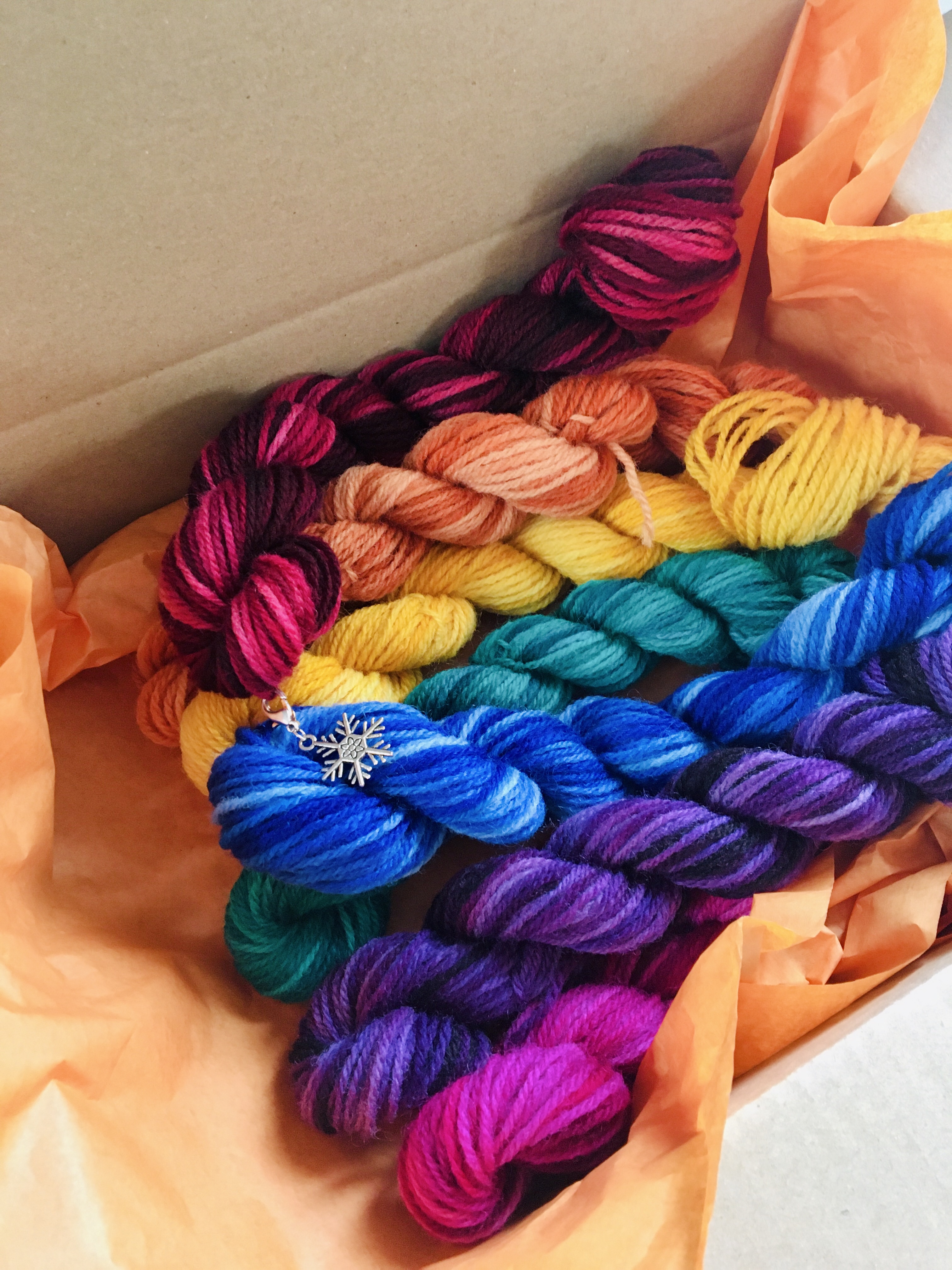
Our passion goes far beyond the wool itself. For us, wool is personal. Every fleece represents hours, weeks, even years of care—of watching over our sheep through the seasons, ensuring their health and wellbeing, and celebrating the distinct qualities of native breeds. Every skein of yarn we produce holds a story, a connection to the land, to our sheep, and to our way of life.
We are the storytellers, the educators, the enthusiasts. Every day, we connect directly with the public, sharing the journey of wool from field to fibre. We help people fall in love with the texture, the warmth, the sustainability of wool. We are the ones at the markets, the fairs, the workshops, showing people the beauty and benefits of wool, especially wool from our own beloved local flocks.

While the industry understandably focuses on large-scale marketing, there’s a critical disconnect when it comes to engaging with the public. At the end of the day, it’s not just businesses buying from industry; it’s people. And we, the “little people,” are doing a huge amount of marketing on the ground every single day, converting more and more individuals to the cause of wool, of local, sustainable fibres. What could we accomplish with even a fraction of the support given to large producers? A licensing scheme, a dedicated platform, even just recognition of the role we play would go a long way. Right now, we have nothing.
This lack of acknowledgment is something Sara John has long researched, going back to her MRes thesis. Her research showed that every small action matters, and when accumulated, these small efforts can create significant change. Encouraging more people to buy native wool products over synthetics or foreign alternatives is essential to sustainability and it starts with us. We may be small, but our impact is real.
Individually, I may be just one small producer, but I am not alone. There is a whole community of us as demonstrated by the Welsh Wool Shop in Newcastle Emlyn’s producers who are passionate about the wool from our local Welsh flocks and who are committed to keeping the small mills we use alive. We care deeply, not just about the products we create, but about the future of native wool and the sustainability of our practices. The larger players in this industry must remember that we are part of the same ecosystem. Many are among the 35,000 UK sheep farmers who contribute to the Wool Board through our levies, and we deserve the chance to be seen, heard, and included.
One of the often-overlooked benefits of small-scale production is the dramatically lower carbon footprint we achieve. In my case, the wool from my flock never travels more than 7 miles from the farm during its entire journey—from the sheep’s back to the finished yarn. Every stage, from shearing to spinning and dyeing, is handled locally, ensuring that our wool products are not only sustainable but also have the smallest environmental impact possible. This hyper-local production is something large-scale operations simply can’t replicate, and it’s a critical part of why choosing native wool matters.

The recent report from the Rare Breeds Survival Trust on carbon sequestration highlights another critical aspect of wool production—certain sheep breeds have the unique ability to sequester more carbon through their wool growth than others. This means that by supporting and promoting the wool from these native and often rare breeds, we’re not only preserving biodiversity but also actively contributing to carbon reduction. The wool from my flock, which includes rare and native breeds, carries these environmental benefits, making our local wool not just a sustainable choice but a regenerative one that supports carbon capture and a healthier planet.
We “little people” may have modest resources, but we have boundless passion for what we do—and that is something that no bureaucracy can diminish.
#Bureaucracy #SupportLocal #WelshWool #PassionateProducers #SustainableFarming and to borrow Sara’s hashtag #MenStillRunTheWorld


Leave a Reply