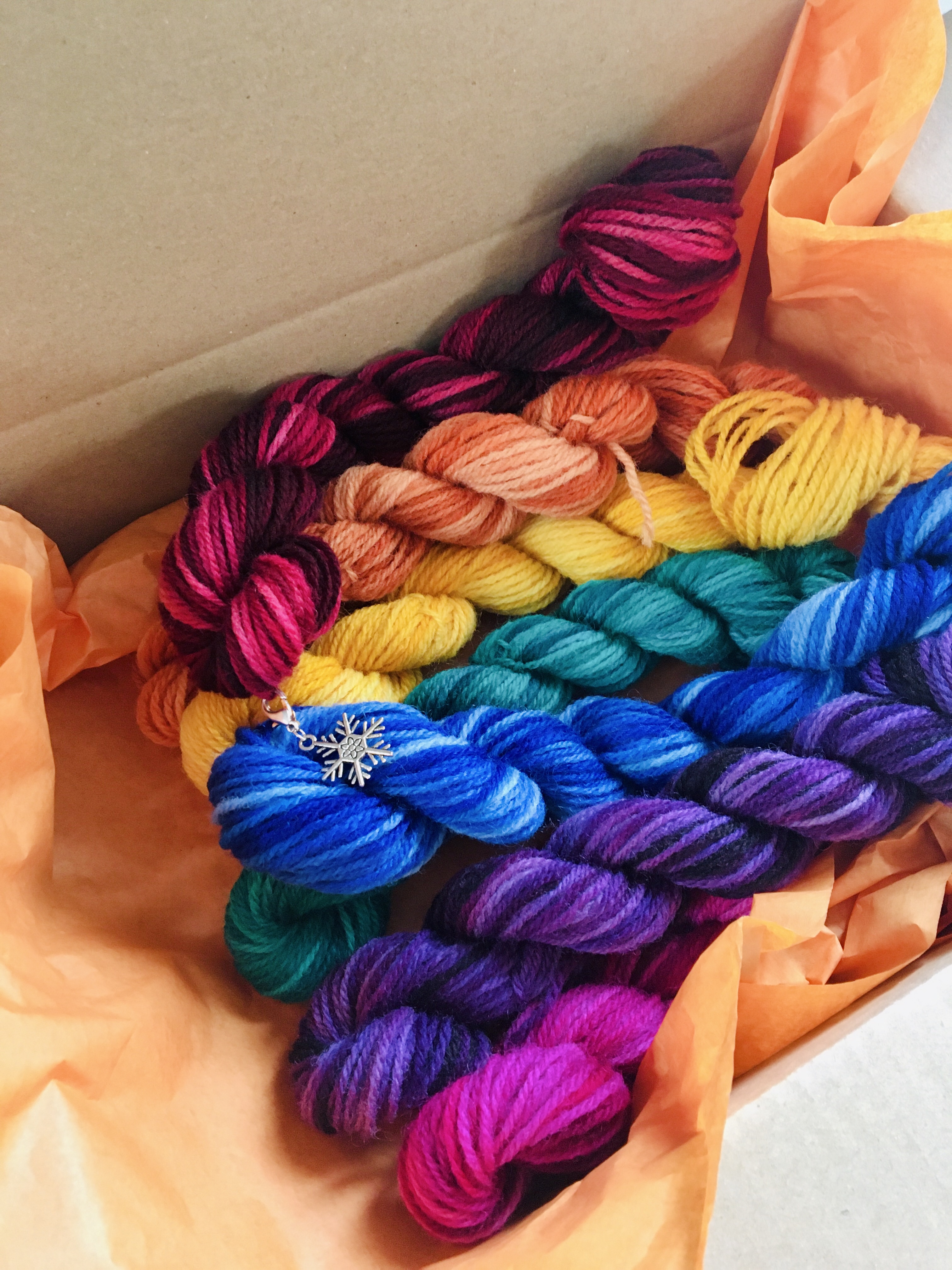

As my first ever sheep was a beautiful Beulah called Wanda and the Beulah genes are still in the flock thanks to Faith. I wanted to write a little about the Beulah wool qualities we love!
Nestled in the verdant landscapes of the Welsh hills, the Beulah Speckled Face sheep are a sight to behold and one I love to see on my new neighbours land each and every day as I drive the children to and from school!
Known for their distinctive appearance and high-quality wool, these sheep have become a staple of the agricultural scene in Wales and beyond.
A Brief History of Beulah Sheep
Beulah Speckled Face sheep, often referred to simply as Beulah sheep, originate from the hills surrounding the village of Beulah in Powys, Wales, although there is another village called Beulah more locally here too!!
This breed has been carefully developed over centuries to thrive in the challenging upland conditions of their homeland. The Beulah sheep are easily recognizable by their white faces adorned with black spots around the eyes and nose, giving them a charming and unique speckled appearance.

Characteristics and Adaptability
Beulah sheep are renowned for their hardiness and adaptability. These traits have been honed over generations, making them well-suited to the rugged terrain and varying weather conditions of Wales. They are excellent foragers, able to thrive on the sparse vegetation typical of upland regions. This adaptability not only contributes to their robust health but also plays a role in the quality of their wool.
The Wool of Beulah Sheep
One of the most prized aspects of the Beulah Speckled Face sheep is their wool. Here’s what makes it special:
- Texture and Quality: Beulah wool is medium to fine in texture, making it versatile for various textile applications. It is soft enough for garments that are worn close to the skin, yet durable enough for outerwear and home textiles.
- Natural Color: The wool of Beulah sheep often has a beautiful natural cream color, which can be dyed easily, offering a broad palette for textile artists and manufacturers. This natural hue also appeals to those who prefer the understated elegance of undyed, natural fibres.
- Insulating Properties: Like wool from other sheep breeds, Beulah wool is excellent at regulating temperature. It provides warmth in cold conditions while remaining breathable, making it comfortable for year-round wear.
- Sustainability: Wool is a renewable resource, and Beulah wool is no exception. The sustainable farming practices used by many shepherds ensure that the production of Beulah wool is environmentally friendly. Moreover, wool is biodegradable, reducing its environmental impact compared to synthetic fibres.
Uses of Beulah Wool
Beulah wool is used in a variety of products, from clothing to home goods. Here are some popular uses:
- Knitwear: Sweaters, hats, and scarves made from Beulah wool are prized for their warmth and softness.
- Textiles: The durability of Beulah wool makes it ideal for blankets, throws, and upholstery fabrics.
- Crafts: Spinners and weavers often seek out Beulah wool for its quality and versatility.
Conclusion
Beulah sheep and their wool represent a blend of tradition, adaptability, and quality. Their unique speckled faces are not only a charming aspect of the Welsh countryside but also a symbol of the enduring agricultural practices that support sustainable and high-quality wool production. Whether you are a farmer, a textile artist, or simply someone who appreciates fine wool products, the Beulah sheep and their wool offer something truly special.
So next time you come across a product made from Beulah wool, you’ll know that it carries with it a heritage of resilience, quality, and natural beauty.
Leave a Reply