
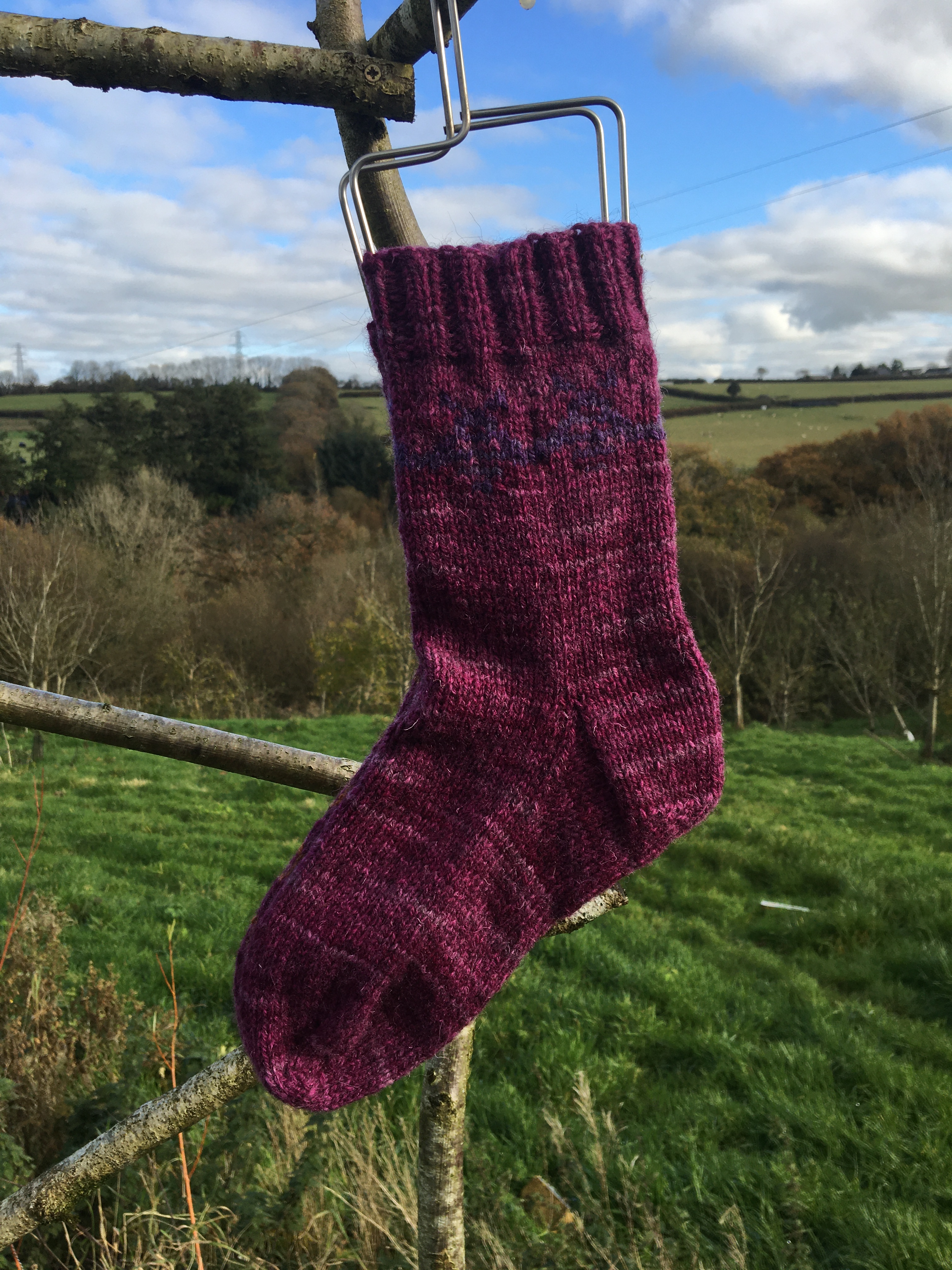

Kitchener stitch, also known as grafting, is a technique used to join two sets of live stitches seamlessly, creating an invisible and seamless join. It is commonly used in knitting to close the toes of socks or join the ends of a scarf. Here’s a step-by-step guide on how to do Kitchener stitch:
Note: Kitchener stitch requires two sets of live stitches with the same number of stitches on each needle.
Step 1: Set up your work
- Hold the two knitting needles parallel to each other, with the wrong sides facing each other. The working yarn should be attached to the back needle (the one on the right).
Step 2: Prepare the first stitch
- Insert a tapestry needle purlwise into the first stitch on the front needle (the one on the left). Leave the stitch on the knitting needle and bring the needle through, as if you were purling the stitch.
Step 3: Prepare the second stitch
- Insert the tapestry needle knitwise into the first stitch on the back needle (the one on the right). Leave the stitch on the knitting needle and bring the needle through, as if you were knitting the stitch.
Step 4: Repeat the process
- Insert the tapestry needle knitwise into the first stitch on the front needle. This time, slip the stitch off the knitting needle and bring the needle through, as if you were knitting the stitch.
- Insert the tapestry needle purlwise into the second stitch on the front needle. Leave the stitch on the knitting needle and bring the needle through, as if you were purling the stitch.
- Insert the tapestry needle purlwise into the first stitch on the back needle. Slip the stitch off the knitting needle and bring the needle through, as if you were purling the stitch.
- Insert the tapestry needle knitwise into the second stitch on the back needle. Leave the stitch on the knitting needle and bring the needle through, as if you were knitting the stitch.
Step 5: Repeat until all stitches are worked
- Repeat steps 4.1 to 4.4 until only one stitch remains on each needle. Remember to alternate between front and back needle stitches.
- At the end, you should have one stitch remaining on each needle.
Step 6: Secure the yarn
- Insert the tapestry needle knitwise into the first stitch on the front needle and slip the stitch off the knitting needle.
- Insert the tapestry needle purlwise into the first stitch on the back needle and slip the stitch off the knitting needle.
Step 7: Weave in the ends
- Gently pull the yarn through the last stitch, and weave in the ends by sewing it into the surrounding stitches.
- Trim any excess yarn, making sure to leave a tail for added security.
Leave a Reply